German cockroaches are one of the most common indoor pests found in Los Angeles and Orange County homes, apartments, restaurants, and commercial spaces. Unlike some outdoor roach species, German cockroaches live almost exclusively indoors, where they rely on food, moisture, and shelter provided by human environments. In Southern California, the lack of cold winter temperatures means there’s little seasonal slowdown, allowing infestations to persist and reproduce year-round.
Because they’re small, fast, and most active at night, infestations often build for weeks before property owners realize there’s a bigger issue. Learning how to identify German cockroaches and knowing what signs to watch for helps you take action early, before the problem grows or spreads to other areas of the property.

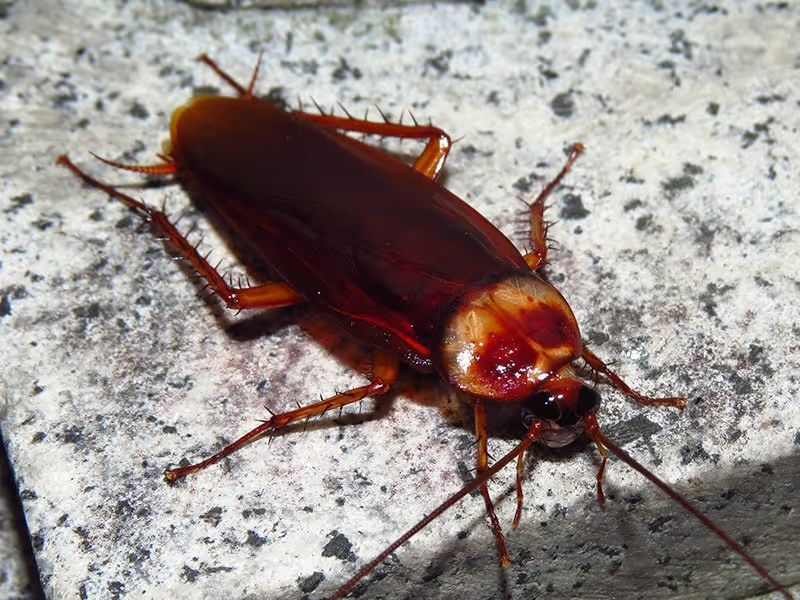
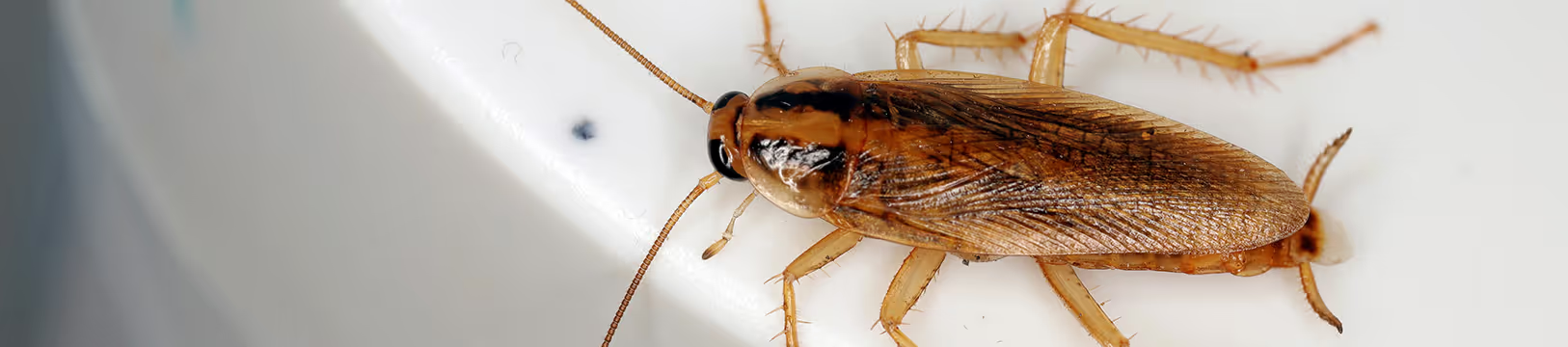
German cockroaches are smaller than many other species but reproduce far more efficiently. They prefer living indoors close to food and moisture sources.
Key identification features:
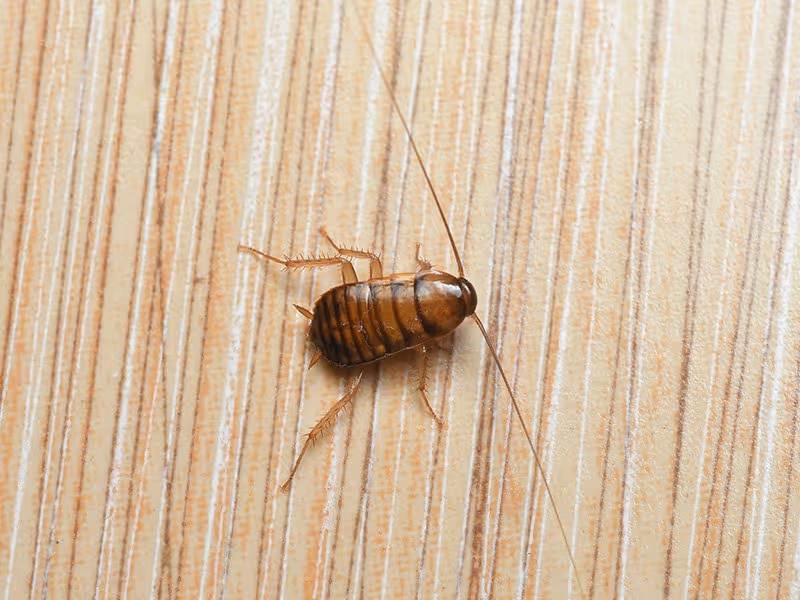
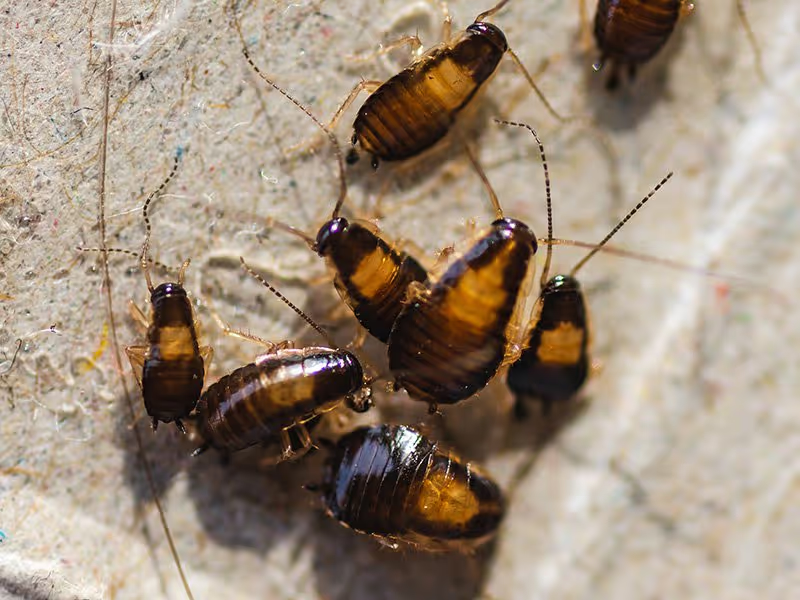
Baby cockroaches (nymphs) are smaller, darker, and wingless. Newly hatched nymphs can appear almost black. If you’re seeing baby roaches indoors, it typically means a breeding population is already established nearby.
German cockroaches prefer warm, humid environments with consistent access to food and water. In LA County and Orange County properties, they’re most often found in:
In apartments and condos, they may also travel through shared walls, electrical conduits, and plumbing lines. Treating one unit without identifying the source can lead to recurring infestations.
Because they hide during the day, many homeowners don’t realize there’s a problem until populations increase or daytime sightings begin.
German cockroaches are more than an unpleasant surprise in the kitchen. As they move through drains, trash areas, and hidden voids, and then across counters, cabinets, and food storage areas, they can contaminate surfaces and food.
Their droppings and shed materials can also contribute to allergy and asthma symptoms, especially for children and other sensitive individuals.
The bigger issue is how quickly infestations can grow. Because German cockroaches thrive indoors and stay close to kitchens and moisture sources, they’re difficult to “wait out.” Without targeted control, small populations can grow and spread to additional rooms or even neighboring units in multi-family properties.
German cockroaches are especially difficult to control due to their highly efficient reproductive rate.
Female German cockroaches carry their egg cases (oothecae) attached to their bodies until roughly a day or two before the eggs hatch. That matters because it helps protect the developing young and allows them to be dropped in hidden locations right before hatching, often deep in cracks, behind appliances, or inside wall voids.
This is one reason infestations can expand quickly and why surface-level sprays often miss what’s really driving the problem.
Because these pests are nocturnal, infestations often go unnoticed at first.
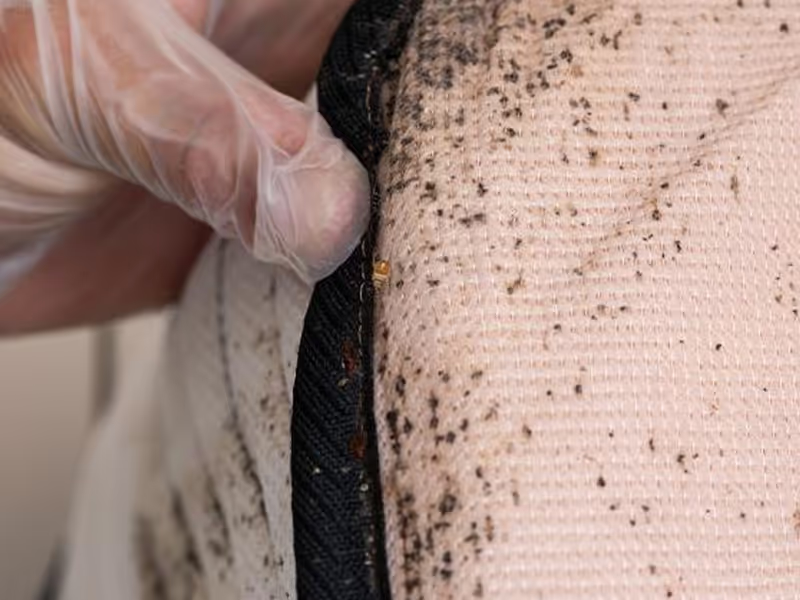
Common signs include:
Seeing even one or two German cockroaches during the day can indicate a larger issue.
Prevention steps can reduce attraction and support professional treatment. They won’t always eliminate an active infestation on their own, but they help reduce conditions that roaches rely on.
Helpful prevention tips:
German cockroaches are excellent at hiding, so even in clean homes, infestations can occur.
Store-bought sprays and traps may kill visible cockroaches, but they often fail to reach hidden nesting areas where new cockroaches are developing. Without addressing the source of the infestation, populations can rebound quickly.
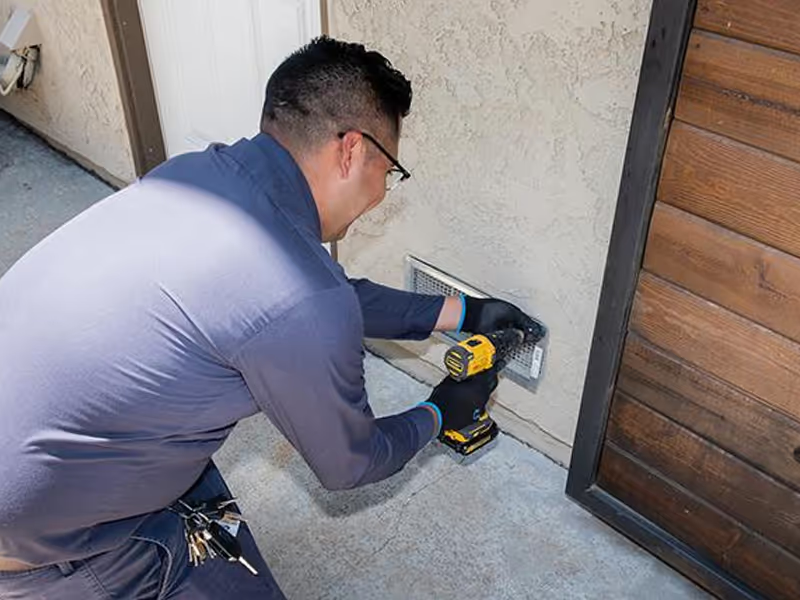
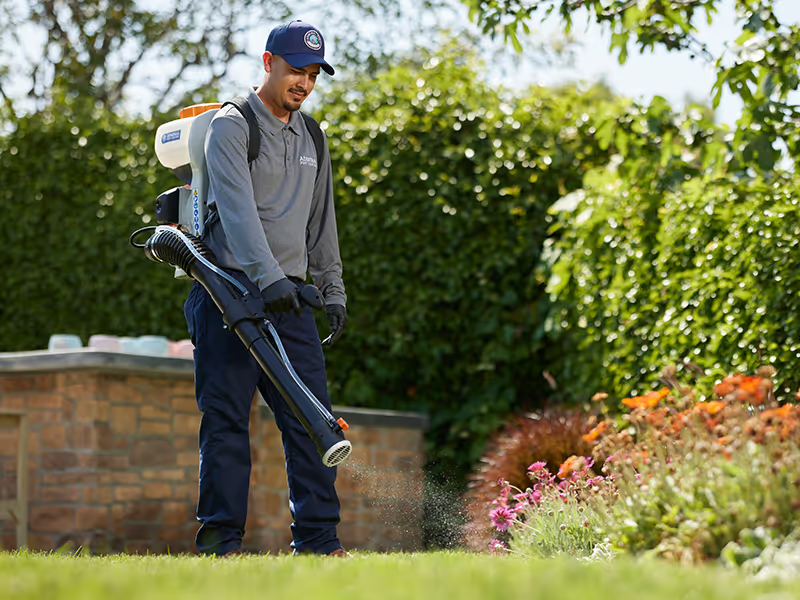
Professional pest control focuses on:
If sightings are increasing, nymphs are showing up, or activity is spreading between rooms, a professional inspection is usually the fastest way to stop the population at its source.
If you’re dealing with a German cockroach infestation in your home or business, Admiral Pest can help. Our experienced technicians understand German cockroach behavior and use proven treatment methods to eliminate active infestations and prevent reinfestation.
We focus on thorough inspections, targeted cockroach treatments, and ongoing services to protect people and property from roach problems in Los Angeles and Orange counties.
Don’t let cockroaches take over; contact Admiral Pest today to schedule an inspection and take the first step toward a cockroach-free property.
Not necessarily. German cockroaches are attracted to food and moisture, but they can infest clean homes too — especially if they’re introduced through used appliances, deliveries, or neighboring units in multi-family buildings.
German cockroaches feed on crumbs, grease, pantry foods, trash, and pet food. They can also survive on small amounts of organic material like cardboard, glue, and soap residue. Because they need very little food to survive, even clean kitchens can support an infestation.
Activity in one room doesn’t always mean the infestation is limited to that area.
Reducing food and moisture can help, but if sightings continue or increase, a professional inspection is the most reliable way to determine whether the problem is localized or spreading.
Yes. They can move through plumbing openings, wall voids, and utility penetrations. In multi-family buildings, coordinated treatment is sometimes needed to fully eliminate the source.
It depends on the extent of the infestation and how long the problem has been present. Many German cockroach infestations in Los Angeles County and Orange County require follow-up to fully break the reproductive cycle and confirm elimination.

I am completely satisfied with the services performed by Admiral Pest Control at my home for over 15 years. The inspection today was completed by Jeffrey; he completed a very thorough job of inspection and was super professional, very friendly and courteous. Highly recommended to anyone that wants termite and pest control services.
Donald T.
Irvine, CA

Aldo came by to service my property. He was polite, professional, and answered my questions regarding getting our property serviced. He was able to sweep potential areas that might have critters and the sprayed repellent for our quarterly treatment. Appreciate his professionalism and representation of this company.
Christian M.
Bellflower, CA

Jeffrey has been amazing!!! Very thorough and kind. We also caught a rat in less than 24 hours, which is a relief! Very grateful!
Hailey S.
Irvine, CA






Helpful Tips & Info