
What Types of Termites Live in California?
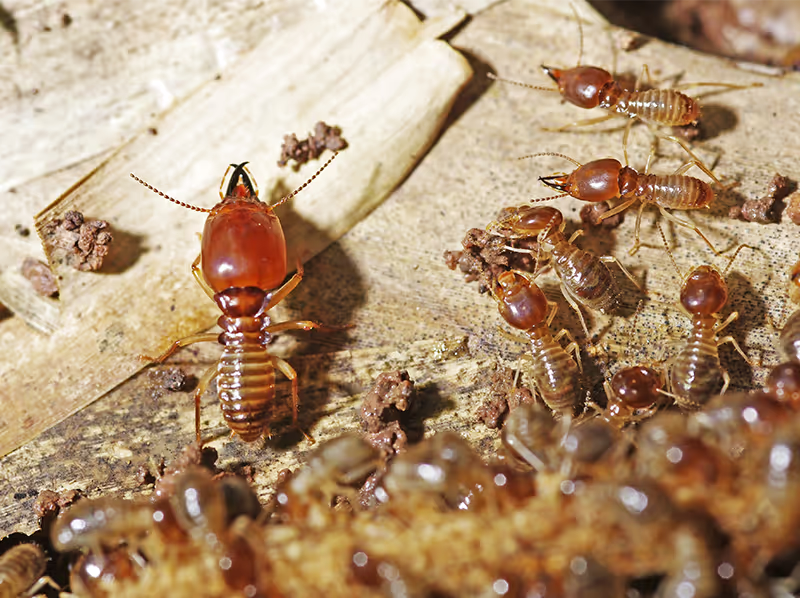
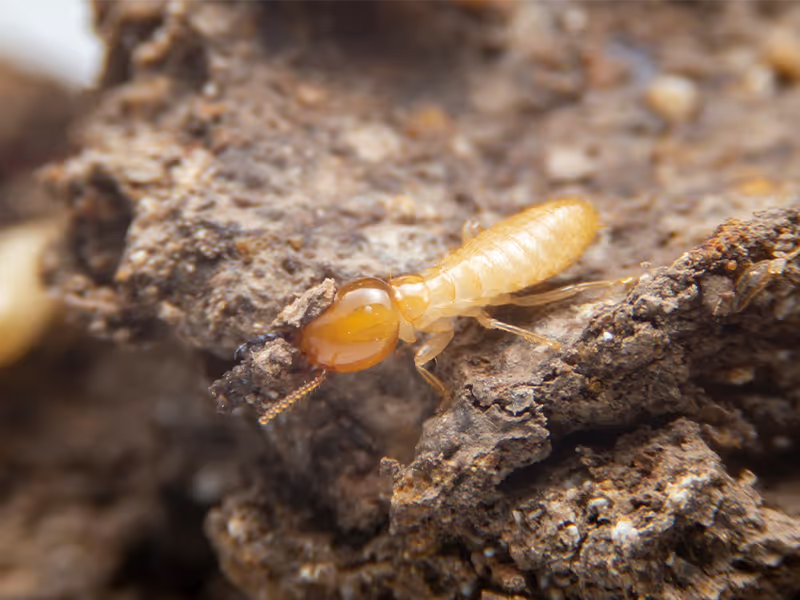
California is home to four main types of termites. Each has different habits, feeding preferences, and unique threats to homes. Understanding what you’re up against can help you prevent infestations or find the right solution if termites invade your house.
Subterranean Termites
- Habitat: Underground colonies; moist soil
- What to look for: Mud tubes, hollow wood
- Common area: Foundations, crawl spaces
Subterranean Termites are the most common in California. Their colonies can grow to over a million members, and they’re known for eating softwood, causing major structural harm.
Drywood Termites
- Habitat: Dry wood (no soil contact needed)
- What to look for: Piles of frass (wood-colored droppings)
- Common areas: Attics, furniture, wooden beams
Drywood Termites skip the soil altogether, living exclusively inside wood. Their smaller colonies still cause big headaches for homeowners in Southern California.
Dampwood Termites
- Habitat: Damp, decaying wood
- What to look for: Spongy wood; water-damaged areas
- Common areas: Basements, leaky walls or roofs
Dampwood Termites love moisture. While they’re uncommon in well-maintained homes, water leaks or poor drainage create the perfect environment for them.
Formosan Termites
- Habitat: Similar to subterranean termites
- What to look for: Rapid extensive damage, mud tubes
- Common areas: Near soil, wood contact
Formosan Termites are aggressive cousins of subterranean termites. They’re less common in California but are known for causing faster and more damaging infestations.
Understanding which termite type is most likely to target your home can make prevention much easier.
How Can I Tell What Kind of Termite I’m Dealing With?
Identifying termites can be tricky, especially for new homeowners. Termites often stay hidden, and the signs of their presence can be subtle at first. Here’s how you can tell which species you might be dealing with:
Key Things to Observe
- Mud Tubes: Subterranean and Formosan termites use these to move from soil to wood.
- Frass: If you see tiny piles of droppings near wood, this is a clear sign of drywood termites.
- Damaged Wood: Inspect wooden furniture, beams, or floors. Hollow-sounding wood often indicates trouble.
- Discarded Wings: During a termite swarm, you may find shed wings near windows or doors.
If you spot any of the above, don’t ignore it. The longer termites stay undetected, the more damage they can cause.
How Can Termites Be Treated?
Termites can’t be dealt with using a one-size-fits-all approach. The treatment method depends on the type of termite and the severity of the infestation. Here’s an overview of common solutions:
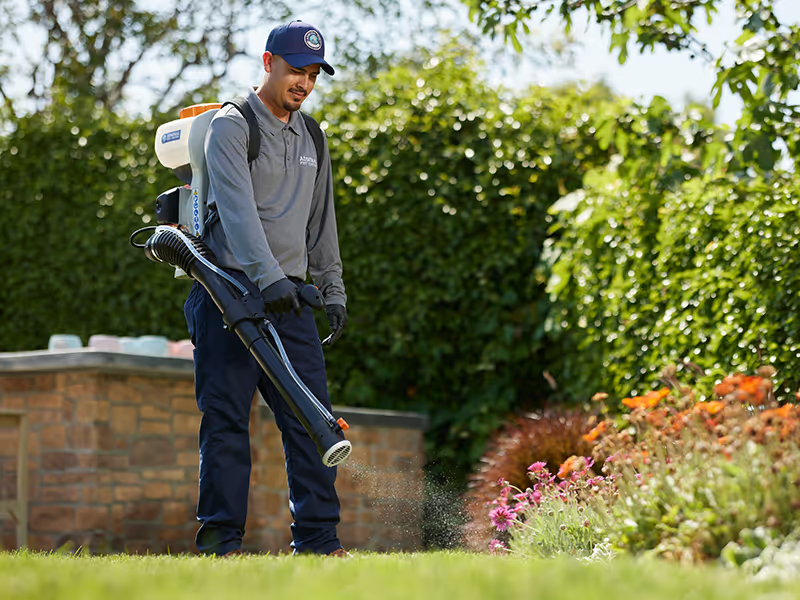
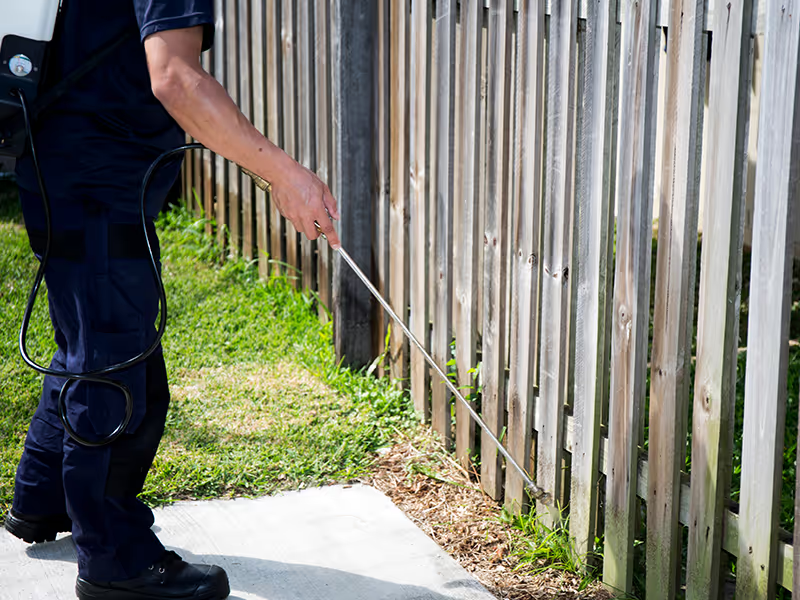
- Chemical Barriers: Creates a poisoned barrier using liquid termiticides. Best for subterranean termites.
- Fumigation: Gas is pumped into your home to kill termites inside the wood. Best for large drywood infestations
- Bait Stations: Attracts termites; poison spreads to the colony. Best for subterranean colonies.
- Localized Treatments: Spot sprays or foams applied directly to areas of activity. Best for small drywood infestations.
- Moisture Control: Repairs and fixes damp areas to eliminate termite habitats. Best for dampwood termites.
Each treatment has pros and cons, which is why a professional inspection is essential to determine the most effective solution for your home.
Professional vs. DIY
While some DIY treatments, like sprays, are available, they often aren’t enough for larger infestations. Professionals use specialized tools and methods to treat termites where they hide, ensuring the entire colony is eliminated.
How Do I Treat Termites?
Here are specific steps if you discover termites in your home:
- Stay Calm: Termites work slowly. While they are dangerous over time, they won’t destroy your home overnight.
- Call a Professional Pest Control Service: Experts know exactly where termites hide and how to root them out. They use safe, powerful treatments that DIY methods can’t match.
- Fix Leaks and Moisture Issues: Termites need moisture to survive. Take away their water source by fixing leaks, ensuring proper drainage, and ventilating humid areas.
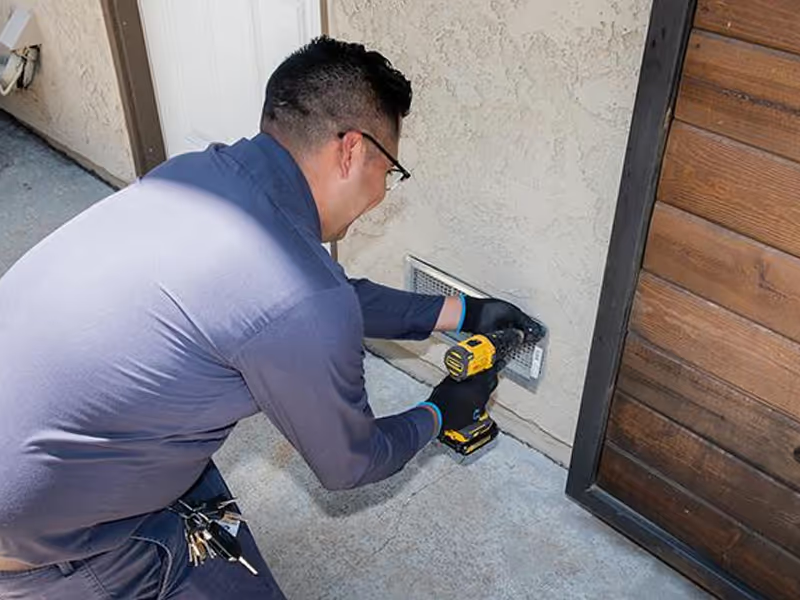
- Close Entry Points: Seal cracks, gaps, and holes in your walls, foundation, and exterior. This makes it harder for termites to invade again.
- Arrange Regular Inspections: An annual termite check by a licensed pest control service can save you from future infestations.
How Do Termites Get Into My Home?
Termites are resourceful and have multiple ways of sneaking into your house. Knowing their tricks can help you understand how to block them off.
- Cracks in Foundation: Subterranean termites enter through tiny gaps.
- Wood-to-Soil Contact: Decks, fences, or branches touching your home.
- Doors and Windows: Drywood termites sneak in through small openings.
- Hidden Routes Indoors: Firewood or secondhand furniture could carry termites.
Termite Prevention Tips
- Seal cracks with caulk or cement.
- Keep wood off the ground.
- Install screens and seal gaps.
- Inspect items before bringing them in.
- Keeping your home clean and regularly maintained is a great first defense against termite invasions.
Why Professional Help Matters
Termites are complex creatures, and treating them effectively takes experience and specialized tools. At Admiral Pest Control, we’ve been protecting homes in Bellflower, Irvine, and beyond for over 75 years. Whether it’s identifying the infestation type or crafting a custom solution, we’re here to help.
Contact us today for a free inspection. Don’t wait until termites cause extensive damage—take action now to keep your home safe and secure!
By understanding how termites operate and how to manage them effectively, you’re already one step closer to keeping your home termite-free. Remember, prevention is key, and Admiral Pest Control is here to ensure termites stay out for good.