The Big Picture: Drywood vs. Subterranean Termites
While both termites feed on wood, they don’t behave the same way or pose the same risks.
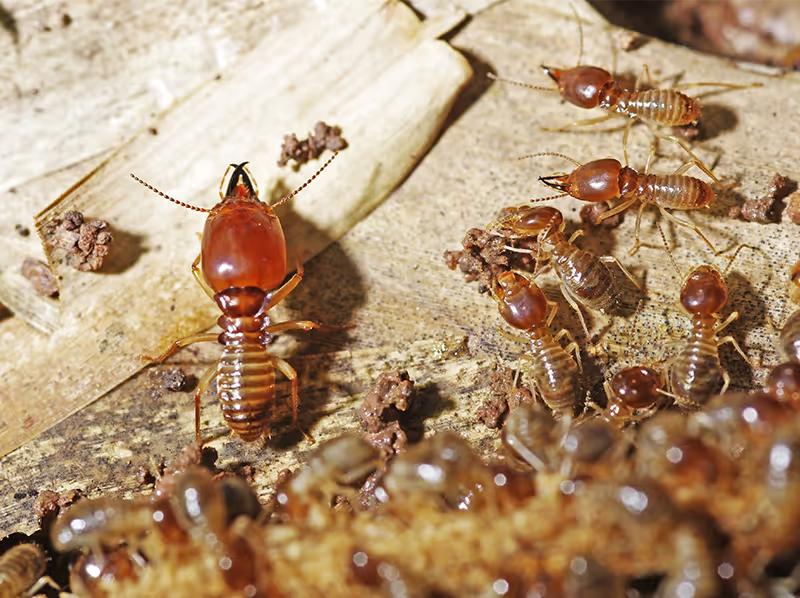
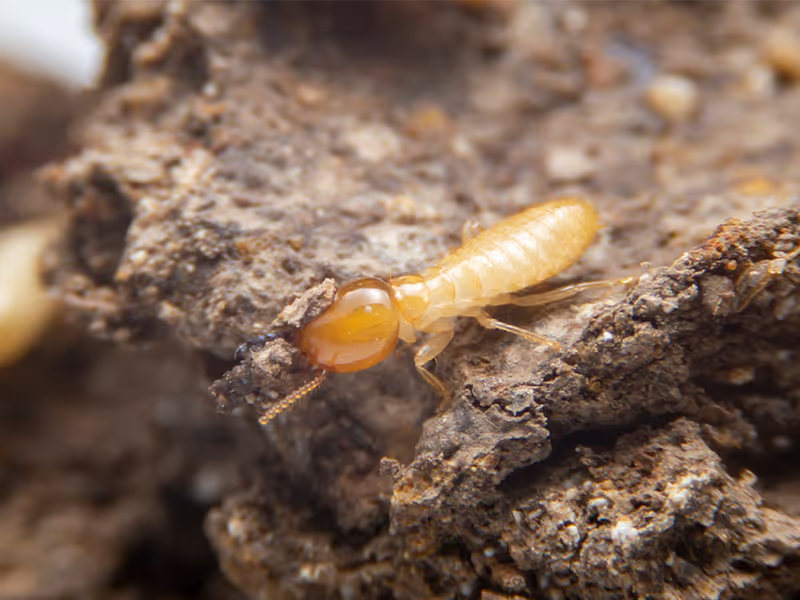
Drywood termites live inside the wood they infest.
Subterranean termites live underground but enter homes through soil or moisture sources and feed on wood inside the structure.
That difference alone impacts how much damage they cause—and how difficult they are to eliminate.
Drywood Termites: Damage & Signs In Orange & LA Counties
Drywood termites are common throughout coastal and inland Southern California, especially in older homes and properties with exposed wood.
What Makes Drywood Termites Different
- They live directly inside dry wood (attics, walls, beams, furniture)
- They don’t need contact with soil or outside moisture
- Colonies are smaller—but damage can still be costly
- They can spread from structure to structure through infested wood
Common Signs of Drywood Termites
- Small piles of pellet-like droppings (often mistaken for sawdust)
- Discarded wings near windows or doors
- Hollow-sounding wood
Because drywood termites stay hidden inside wood, infestations often go unnoticed until damage is already done.
Subterranean Termites: Risks & Evidence Of Infestation In Southern CA Homes
Subterranean termites are responsible for the majority of termite damage in California, and they’re especially active in Orange and Los Angeles Counties.
Why Subterranean Termites Are So Destructive
- They build massive colonies underground (sometimes over a million termites)
- They travel into homes through soil, cracks, and plumbing penetrations
- They rely on moisture and often take advantage of leaks or poor drainage
- Damage can progress quickly and stay hidden behind walls and under floors
Common Signs of Subterranean Termites
- Mud tubes along foundations, walls, crawl spaces, or garages
- Swarms of winged termites near windows, doors, or lights
- Small piles of discarded wings on floors or window sills
- Soft, blistered, or hollow-sounding wood
- Doors or windows that suddenly start sticking
Because these termites usually stay hidden while feeding, many homeowners don’t realize there’s a problem until damage is already underway, which is why early inspection matters.
Can Termites Go Away on Their Own?
Can termites go away on their own? The short answer is no.
Termites don’t leave on their own, and ignoring the problem only gives colonies more time to grow.
Whether drywood or subterranean, termites continue feeding as long as a food source exists—and your home provides plenty.
Why Identification Matters for Proper Treatment
Drywood and subterranean termites require different treatment approaches. Treating the wrong type or using DIY methods often leads to incomplete control or unresolved infestations.
That’s why professional inspections matter. An experienced termite specialist can:
- Identify the termite species present
- Locate hidden activity and entry points
- Recommend the most effective treatment plan
- Help prevent future infestations
Protecting Your Orange County or LA County Home
Termites can quietly damage your home for months or years before you notice — that’s why annual termite inspections are one of the smartest investments for Southern California homeowners. Admiral Pest Control makes it simple to stay protected.
Here’s how Admiral Pest Control protects homes:
- Free termite inspections to identify infestations
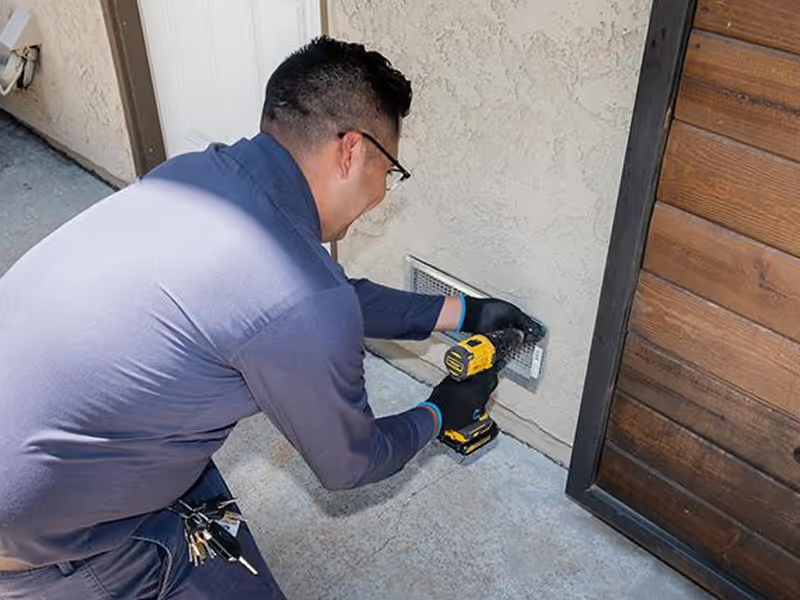
- Localized treatments for targeted control
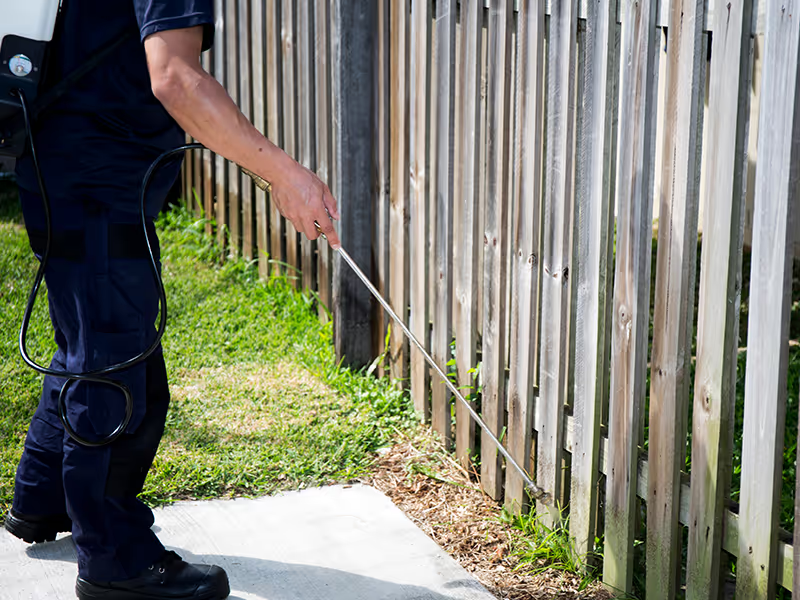
- Exterior liquid termite treatments for subterranean termites
- Fumigation for larger drywood termite infestations
- Annual protection program with inspections and retreatments for ongoing peace of mind
- Licensed, experienced technicians who know local termite pressures
- Repair services to restore wood damaged by termites
Don’t wait until the damage is done. If you suspect termites or just want peace of mind, schedule professional termite control with Admiral today.
Drywood and Subterranean Termite FAQs
Can I treat termites myself?
DIY treatments usually don’t reach the whole colony. Professionals eliminate termites and prevent new colonies from establishing.
How fast do termites cause damage?
Termites can quietly damage wood for months or years before you notice. The earlier you catch them, the less repair work you’ll face.
How often should I schedule termite inspections?
For Southern California homes, a yearly termite inspection is ideal. Admiral’s yearly termite control service includes inspections that protect against both drywood and subterranean termites, protecting homes year-round.
This blog was originally published on January 19, 2021, and updated for accuracy and relevance in 2026.