
Fleas Don't Need Pets to Find Your Property
Fleas are hitchhikers. While they can't fly, they can jump remarkable distances and readily move from one host to another.
In Southern California, wildlife often introduces fleas onto residential properties. Common flea carriers include:
- Raccoons
- Opossums
- Feral cats
- Squirrels
- Rats and mice
A raccoon resting under a deck, a feral cat moving through the yard, or rodents traveling along a fence line can all leave flea eggs behind. Homeowners may never see the animal itself but still experience the flea activity that follows.
Older neighborhoods in cities such as Long Beach, Lakewood, Bellflower, and Downey can experience flea issues associated with wildlife activity, mature landscaping, and rodents moving between properties.
Properties near open space, parks, greenbelts, or wildlife corridors are especially susceptible. Homeowners in communities such as Rancho Palos Verdes, Irvine, and Mission Viejo often live close to natural areas where wildlife regularly moves through residential neighborhoods, creating opportunities for fleas to be introduced onto residential properties.
How Fleas Get Inside Homes Without Pets
Even if you don't own pets, fleas can still end up inside.
One common source is a previous occupant. This is especially common in recently purchased homes, rental properties, and apartments that previously housed pets.
Many residents are surprised to discover flea activity weeks or even months after moving in. Flea pupae can remain dormant in carpet fibers, cracks in flooring, and upholstered furniture for extended periods. When a new occupant moves in, vibrations, body heat, and carbon dioxide can trigger adult fleas to emerge.
Fleas may also be carried indoors on shoes, clothing, or personal belongings after spending time in an area where flea activity is present.
In some situations, rodents nesting in crawl spaces, attics, garages, or around the home's exterior can create flea activity that eventually spreads indoors.
Why Fleas Thrive in Southern California
Unlike many parts of the country, Southern California doesn't receive the prolonged freezing temperatures that naturally suppress outdoor flea populations.
Instead, fleas remain active throughout much of the year.
Shaded landscape beds, irrigated lawns, crawl spaces, and protected areas around the foundation can provide ideal conditions for flea development. Coastal communities such as Huntington Beach, Seal Beach, and Redondo Beach often provide favorable conditions due to moderate temperatures and coastal moisture, while irrigated landscapes also help support flea activity in inland communities.
Because fleas can remain active outdoors year-round, many infestations actually begin outside the home before homeowners ever notice activity indoors.
Why Exterior Flea Control Matters
Many homeowners think of fleas as an indoor problem. In reality, the source often exists outside.
Wildlife, rodents, and other flea hosts move through properties every day. As they travel, they can introduce flea eggs into landscape beds, under decks, around foundations, and in other protected areas.
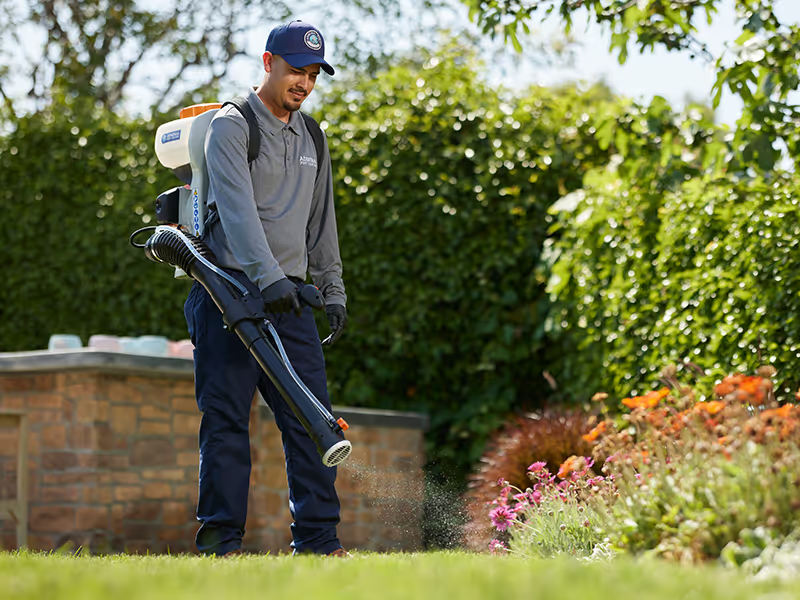
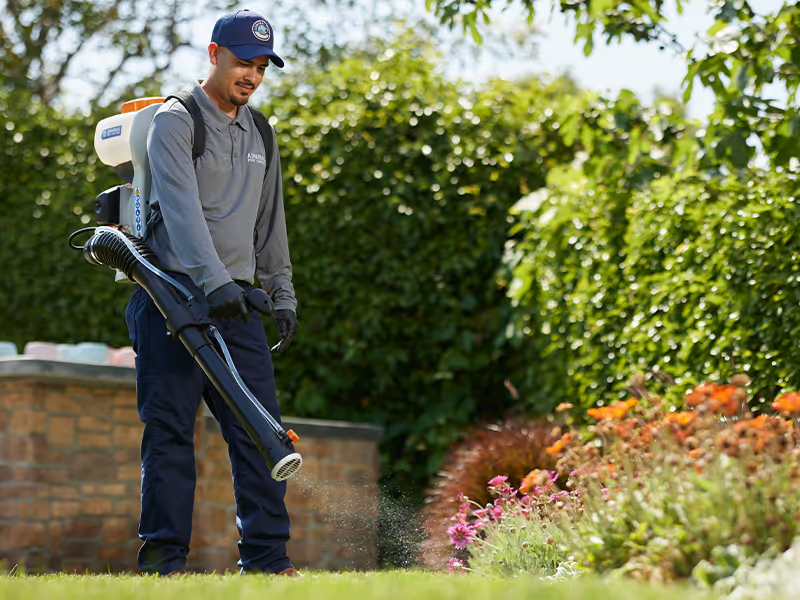
That's one reason many Southern California homeowners choose ongoing pest control service instead of waiting until pests appear indoors. Regular exterior treatments help reduce flea populations where they develop while also creating a protective barrier around the home.
The same residential pest control service that helps reduce flea activity also prevents other common household pests, such as ants, spiders, earwigs, and cockroaches that regularly find their way indoors throughout the year.
By addressing pest activity around the property before it becomes established inside the home, homeowners can often avoid much larger infestations later.
Why One Treatment Often Isn't Enough
Fleas are challenging because the adults you see represent only a small portion of the total population.
Most fleas exist as:
- Eggs
- Larvae
- Pupae
The pupal stage is especially difficult because the protective cocoon helps shield developing fleas until they emerge as adults.
This means it's possible to eliminate visible adult fleas while additional fleas continue emerging over the following weeks.
That's why successful flea control often requires more than a single visit. Breaking the flea life cycle requires addressing newly emerging adults before they can reproduce and restart the infestation. Regular service visits help address new activity before populations have a chance to rebuild.
How Admiral Pest Control Handles Flea Problems
Flea control is included as part of Admiral Pest Control's Home Protection Pest Service because fleas are rarely an isolated issue. The same conditions that support flea activity around a property often support other common Southern California pests as well.
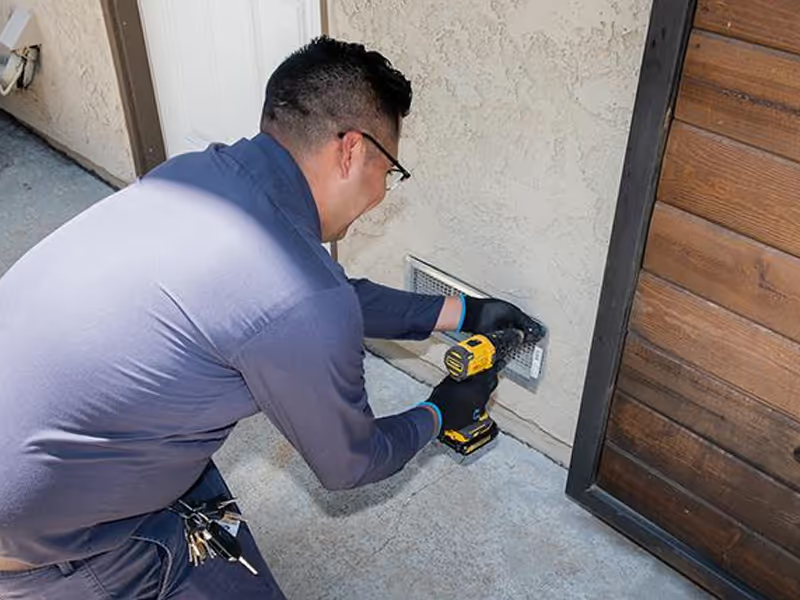
Our service focuses on reducing pest pressure around the home's exterior before pests make their way indoors. Through regularly scheduled exterior treatments, we help create a protective barrier around the property while targeting areas where fleas and other common pests develop and hide.
When active flea infestations occur, we can also provide interior treatment as needed. Treatment targets flea activity in carpets, along baseboards, and in other areas where fleas commonly develop.
Because our Home Protection Pest Service includes regularly scheduled visits and no-charge service calls between services when covered pests appear, homeowners have ongoing protection rather than relying on a one-time treatment approach.
FAQs About Fleas in Southern California
Can fleas survive on hardwood or tile floors?
Yes. While fleas often prefer carpeted areas, they can survive in cracks, gaps along baseboards, beneath area rugs, and other protected spaces throughout the home.
How long can fleas live in an empty house?
Flea pupae can remain dormant for months. Once vibrations, warmth, or carbon dioxide are detected, adult fleas may emerge.
If I don't have pets, why am I getting flea bites?
Wildlife, rodents, previous occupants, and outdoor flea populations are all common sources of flea activity in homes without pets.
Will treating my yard help prevent fleas indoors?
In many cases, yes. Since flea activity often starts outdoors, reducing flea populations around the property can help lower the risk of indoor infestations.
Could the bites I'm seeing be bed bugs instead of fleas?
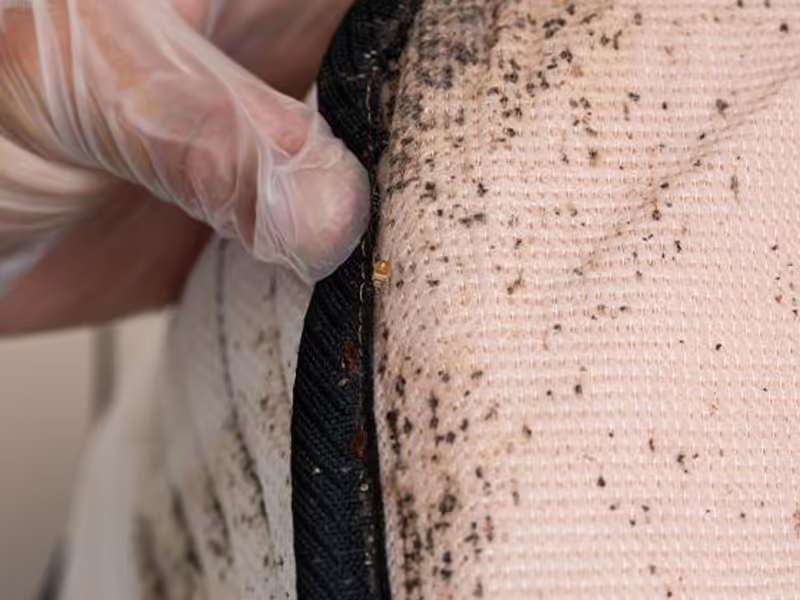
It's possible. Flea bites often appear around the ankles and lower legs because fleas typically jump from flooring, carpeting, or furniture. Bed bug bites are more commonly found on exposed skin around the arms, shoulders, neck, and upper body after sleeping. If you're unsure what's causing bites in your home, our guide to flea bites vs. bed bug bites can help explain the differences.
Are fleas a sign of a larger pest problem around my property?
Often, yes. If mice and rats can find ways into a home, insects such as ants, spiders, and earwigs often can too. That's one reason many homeowners choose ongoing pest control rather than addressing individual pest problems one at a time.
Do I need to leave my home during flea treatment?
Your technician will explain any preparation requirements and post-treatment instructions before service.
Stop Fleas Before They Become a Bigger Problem
You don't need pets to develop a flea problem in Orange and Los Angeles counties. Wildlife, rodents, previous occupants, and year-round outdoor flea activity can all contribute to infestations in and around homes.
Because many pest problems begin outside, waiting until insects make their way indoors often means the population has already become established around the property.
Admiral Pest Control's Home Protection Pest Service helps homeowners stay ahead of fleas and many other common household pests through regular exterior treatments, ongoing monitoring, and interior treatment when necessary.
Whether you're dealing with active flea activity or simply looking for year-round protection for your home, our team can help.
Contact Admiral Pest Control today for a free estimate.