What Exactly Are Drywood Termites and Why Are They a Threat to Your Home?
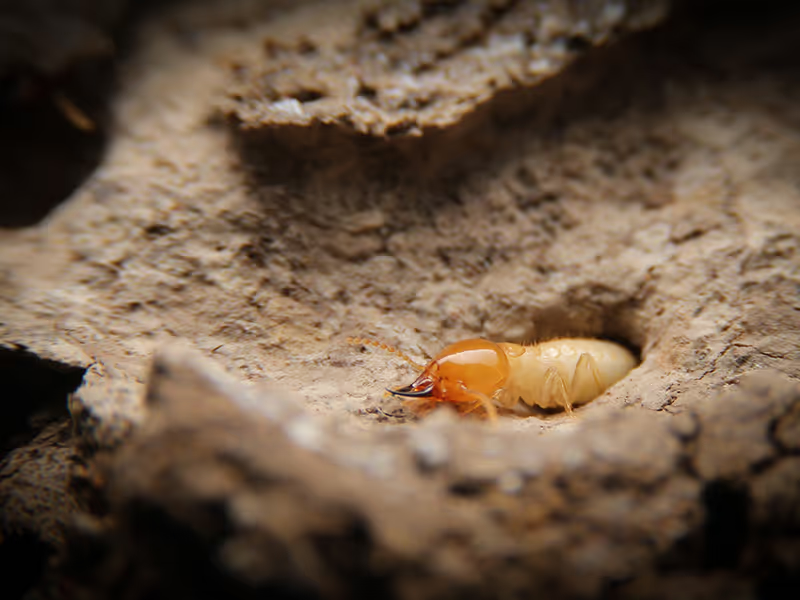
Drywood termites are wood-eating insects that tunnel into dry, above-ground timber without needing contact with soil. They consume cellulose, creating hidden galleries that weaken structural components. Because they feed from the inside, damage often goes unnoticed until it’s severe, leading to sagging floors or compromised framing. For instance, a Western Drywood termite colony living in your eaves could hollow out rafters from within, leaving only a thin outer shell. Understanding their habits and where they live is key to spotting infestations and protecting your home.
What Is a Drywood Termite and How Does It Differ from Other Termites?
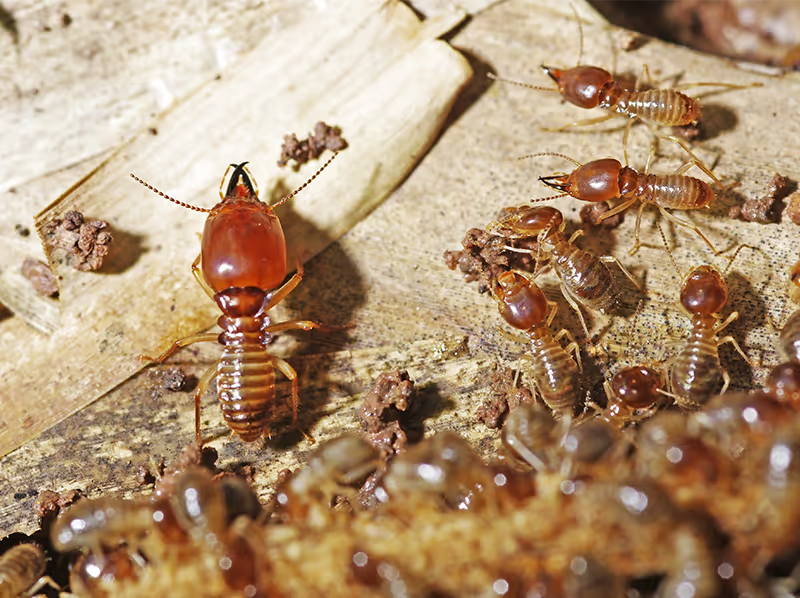
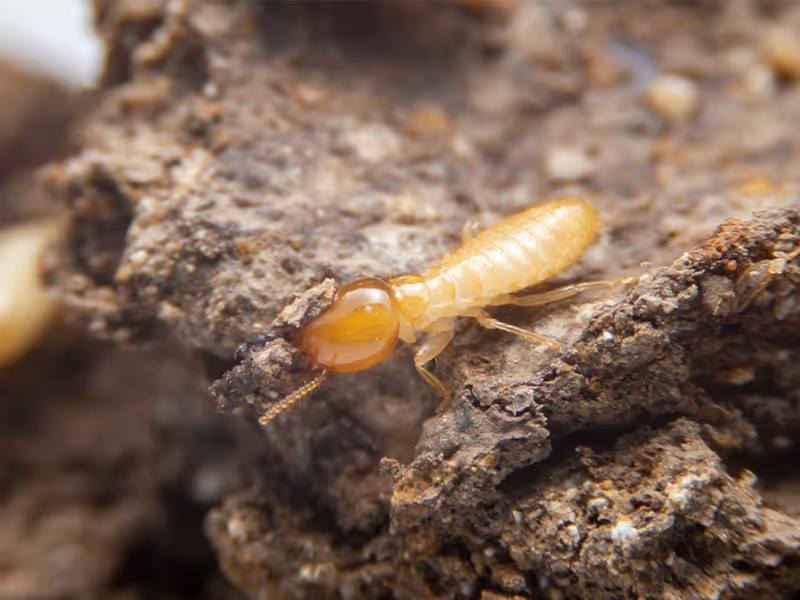
Drywood termites (Incisitermes spp.) live entirely within wood. This is different from subterranean termites, which build mud tubes to find food and require soil contact. Drywood termites don’t need soil and form smaller colonies, often just a few thousand members, inside infested wood beams, furniture, or trim. Subterranean termites, on the other hand, nest underground in massive colonies and invade homes through direct contact with the soil. Knowing this difference is crucial for effective inspections and choosing the right treatment.
Why Is Drywood Termite Damage Often Hidden and Dangerous?
Since drywood termites feed from the inside and push frass (droppings) out through tiny “kick-out” holes, homeowners rarely see obvious signs until the structure is significantly weakened. Their tunnels run along the wood grain, leaving the surface looking intact. Over time, these internal voids grow, risking sagging floors or even roof collapse. Recognizing subtle clues like piles of pellets, surface blistering, or faint clicking sounds can reveal active colonies before serious damage occurs.
Where Do Drywood Termites Typically Live in Southern California Homes?
In Orange County and southern Los Angeles County, drywood termites thrive in the coastal humidity and mild temperatures. You’ll commonly find them in attic rafters, door and window frames, wooden furniture, fascia boards, and decorative trim. They can also infest shipping pallets or secondhand timber brought into your home. Regularly checking these common spots can help you catch early warning signs and prevent a widespread infestation.
What Are the Key Signs of Drywood Termite Infestation in Your Home?
Homeowners should keep an eye out for five main indicators of drywood termite activity. Spotting these early can lead to a professional inspection and treatment before structural repairs become extensive.
How to Identify Drywood Termite Frass: Appearance and Common Locations
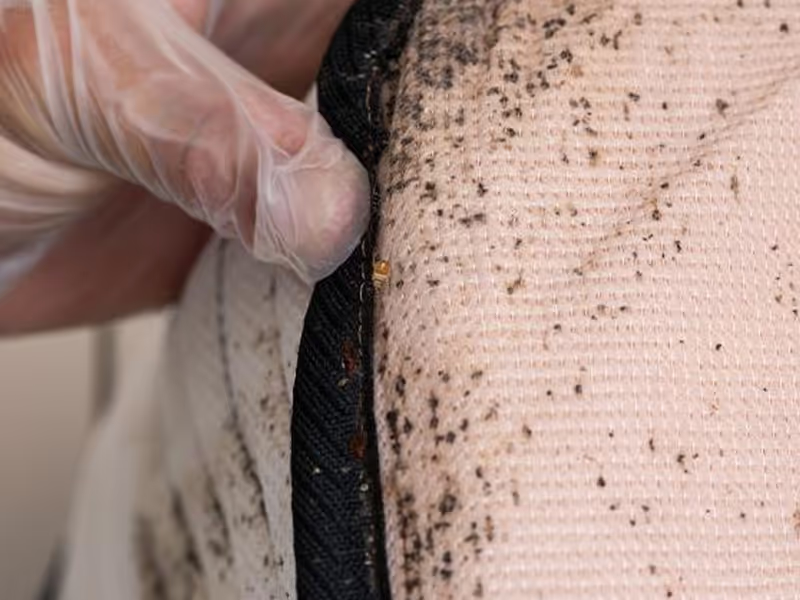
Drywood termite frass consists of six-sided, pellet-like droppings that range in color from light tan to dark brown. These pellets often accumulate in small piles on flat surfaces below infested wood or are pushed out through exit holes. You might find frass under windowsills, behind appliances, or in corner joints.
- Frass Shape → Six-sided pellets → About 1 mm long, with a granular texture
- Color Range → Beige to dark brown → Depends on the type of wood they’ve eaten
- Typical Spots → Window frames, baseboards, attic floors → Near where they’re tunneling
Finding piles of these pellets beneath wood surfaces is a strong sign of active feeding chambers, prompting a closer look at nearby wood structures.
What Are Kick-Out Holes and How Do They Indicate Termite Activity?
Kick-out holes are small, round or oval openings (about 1–2 mm in diameter) that drywood termites use to eject frass from their internal tunnels. They appear on infested wood surfaces as neat rows or scattered perforations. While not all holes mean termites, uniform, closely spaced openings accompanied by frass piles are a clear sign of infestation. Identifying these exit points helps pinpoint where the colony is located for targeted inspections.
How Do Discarded Wings and Swarmers Signal a Termite Problem?
Winged reproductive termites, known as “swarmers,” leave behind translucent wings, often found clustered near lights or windowsills. In Southern California, these swarms typically occur from September through November, especially on calm, warm nights. Finding wings or live swarmers inside your home indicates a mature colony has established itself within your home’s wood. Keeping an eye on these signs helps determine how long an infestation has been present and how urgent the situation is.
What Does Hollow or Damaged Wood Look and Sound Like?
Tapping infested wood with a screwdriver handle often produces a hollow or papery sound, unlike the solid thud of healthy wood. Visually, you might notice blistering or peeling paint, surface dimpling, or fine cracks where internal galleries have weakened the wood’s core. Inspect baseboards, door jambs, and roof rafters by gently tapping them and looking for unusual sounds that suggest voids underneath.
What Are Other Subtle Signs of Drywood Termites to Watch For?
Besides frass and sound tests, observant homeowners might also notice:
- Clicking or rustling sounds coming from inside walls, which are termites communicating.
- Tiny pinholes in furniture joints or trim, indicating where they entered.
- Slight discoloration or very fine cracks on wood surfaces, caused by internal moisture changes.
How Can You Distinguish Drywood Termites from Subterranean Termites?
Correctly identifying the type of termite is essential for choosing the right treatment and prevention methods. Here’s a quick comparison of their key differences.
Drywood Termites
- Nest Location: Inside dry wood, above ground
- Colony Size: Hundreds to a few thousand adults
- Signs of Infestation: Pellet-like frass, kick-out holes, hollow wood
- Moisture Needs: Require less moisture
- Treatment Focus: Localized wood treatments or fumigation
Subterranean Termites
- Nest Location: Underground nests; need soil contact
- Colony Size: Millions of individuals in large colonies
- Signs of Infestation: Mud tubes on foundations, soil-based shelters
- Moisture Needs: Need high moisture, near soil
- Treatment Focus: Soil treatments, baiting systems
This comparison highlights that finding frass and wood-only infestations points to drywood termites, while mud tubes and soil-related activity suggest subterranean species.
Why Is Early Detection of Drywood Termites Critical for Homeowners?
Catching drywood termites early prevents escalating structural damage, reduces repair costs, and makes treatment simpler. Dealing with an infestation in its initial stages helps contain colonies to specific areas, often avoiding the need for whole-structure fumigation.
What Are the Long-Term Risks of Ignoring Drywood Termite Infestations?
If left untreated, drywood termite tunnels will expand, weakening important structural elements like load-bearing beams, floor joists, and roof supports. This can lead to expensive emergency repairs, decreased property value, and safety hazards like sagging ceilings or collapsing walls. Homeowner’s insurance typically doesn’t cover termite damage, leaving you responsible for all restoration costs.
How Can Early Detection Save on Repair and Treatment Costs?
Identifying a small, isolated colony allows for targeted treatments, such as drilling and injecting termiticide directly into the galleries, instead of costly whole-house fumigation. Early intervention can typically cut treatment expenses by up to 50% and prevent the need for extensive wood replacement, saving you thousands of dollars in labor and materials.
What Are the Common Mistakes Homeowners Make in Identifying Termite Signs?
Homeowners often mistake frass for sawdust, overlook seasonal swarmers attracted to lights, or assume hollow wood sounds are just rot. Waiting until visible structural damage appears also delays professional inspection. Regularly checking known problem areas and investigating any unusual signs promptly ensures you catch infestations early.
What Should You Do If You Suspect Drywood Termites in Your Home?
If you notice frass piles, kick-out holes, or discarded wings, taking immediate action can prevent further damage and save you money.
Why Is Professional Drywood Termite Inspection Essential?
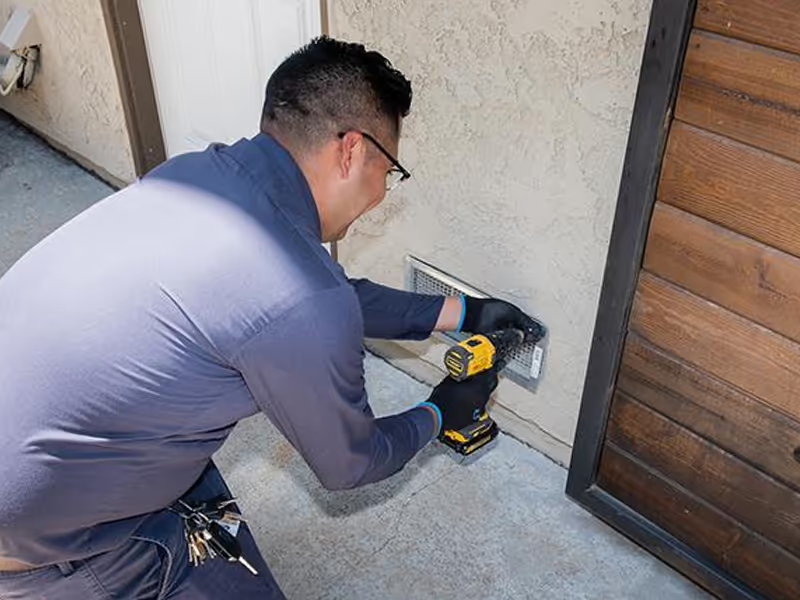
A licensed inspector uses specialized equipment like borescopes, moisture meters, and infrared cameras to confirm an infestation, locate galleries, and assess the colony’s size. Professional inspections can uncover hard-to-see infestation sites and determine the necessary scope of treatment, ensuring no hidden colonies are missed.
What Happens During a Drywood Termite Inspection by Experts?
- Exterior and Interior Check – Our technicians will examine your foundation, attic, crawl spaces, and all wood surfaces for signs of termites.
- Sound and Moisture Tests – We use moisture meters to find damp wood and tap surfaces to detect hollow galleries.
- Borescope Examination – A small camera is used to inspect the inside of wood and look for hidden voids.
- Damage Assessment Report – You’ll receive a detailed report outlining our findings, the extent of the infestation, and recommended treatment options.
How to Schedule a Reliable Termite Inspection in Orange County and Los Angeles County?
To schedule a prompt and thorough inspection, contact Admiral Pest Control’s local team anytime. Our certified technicians combine their knowledge of the area with proven inspection methods to provide accurate assessments and clear recommendations. Reach out to us online or by phone to book your inspection today and protect your home.
What Are the Most Effective Drywood Termite Treatment Options Available?
Successful termite eradication depends on the colony’s size, how accessible the infested wood is, and your preferences.
How Does Whole-Structure Fumigation Work to Eliminate Drywood Termites?
Whole-structure fumigation involves covering your entire home with a tent and releasing a gas called sulfuryl fluoride. This gas penetrates all wood components, killing every stage of the termite life cycle, from eggs to adults, within 24–48 hours. After the home is aired out, it’s safe to re-enter. Fumigation is the most effective method for eliminating colonies when infestations are widespread.
What Are Localized Treatment Methods Like Spot Treatments and Heat?
Spot treatments involve drilling small holes into infested wood and injecting termiticide directly to kill the termites. Heat treatment raises the interior temperature of the affected area to around 120°F, which is lethal to drywood termites, without using chemicals. Both methods are quicker than fumigation, preserve your home’s structure, and are ideal for localized or less severe infestations.
When Are Borates and Orange Oil Treatments Recommended?
Borate solutions can be applied to exposed wood surfaces or injected into galleries, offering long-lasting protection by repelling or killing termites on contact. Orange oil, derived from citrus peels, penetrates termite galleries and kills them on contact. These environmentally friendly options are excellent for small, accessible infestations and for homeowners seeking alternatives to fumigation.
How Does Admiral Pest Control Provide Comprehensive Termite Solutions?
- Detailed inspections and mapping of colonies
- Targeted spot treatments and heat treatments
- Whole-structure fumigation when necessary
- Application of borate and orange oil treatments
- Follow-up monitoring and service warranties
Our local expertise ensures we provide the most efficient and least disruptive solution for your home in Orange County and Los Angeles County.
How Can Homeowners Prevent Drywood Termite Infestations?
Preventing termites from entering your home and making it less appealing to pests can significantly reduce your risk of future infestations.
What Are the Best Practices for Sealing Entry Points and Cracks?
Inspect and seal any cracks in your siding, fascia, and trim using silicone or polyurethane caulk. Make sure your windows and doors fit snugly, and repair any damaged screens or weather stripping. Eliminating small openings in the wood prevents swarmers from getting inside.
How Does Wood Treatment and Moisture Control Reduce Termite Risk?
Apply borate-based wood preservatives to attic rafters, joists, and other exposed wooden areas. Ensure good ventilation in your crawl spaces and attics to keep humidity levels low. Install gutter extensions and proper grading to direct water away from your home’s foundation, creating an environment that termites find less inviting.
Why Are Regular Termite Inspections Important for Prevention?
Scheduling annual or biannual inspections allows us to catch early signs of infestation before significant damage occurs. Professional assessments can identify emerging clues like pellets, small kick-out holes, or swarming activity, enabling quick intervention. Consistent monitoring is a key part of long-term termite control.
What Are Additional Proactive Steps to Protect Your Home from Termites?
- Keep firewood and lumber at least 20 feet away from your house and elevated off the ground.
- Remove any dead wood, stumps, or debris from around your foundation.
- Use termite-resistant building materials for any renovations.
- Consider installing physical barriers or stainless-steel mesh during new construction.
What Are the Most Common Questions About Recognizing Drywood Termite Signs?
Homeowners often ask how to tell termite signs apart from other issues and when it’s time to call in the professionals. Getting clear answers to these questions helps you detect and respond to potential problems faster.
How Do I Know If I Have Drywood Termites?
You can confirm the presence of termites by finding pellet-like frass, small kick-out holes in wood, discarded wings, or hearing a hollow sound when tapping wooden structures. Consistently seeing these signs, especially piles of frass beneath suspect areas, means it’s time for a professional inspection.
What Does Drywood Termite Frass Look Like Compared to Sawdust?
Drywood termite frass consists of distinct, six-sided pellets that vary in color, while sawdust is fine, powdery, and irregular. Pellet piles tend to stay together and look granular, whereas sawdust scatters easily when disturbed.
When Do Drywood Termites Swarm in Southern California?
In Orange County and southern Los Angeles County, drywood termites typically swarm between September and November, usually on warm, still evenings. Swarmers emerge from their wood galleries in large numbers, often attracted to light sources. Finding wings or live termites during this period indicates a mature colony is active within your home.
What Does Drywood Termite Damage Look Like on Wood and Paint?
Surface damage can appear as bubbled or blistered paint, slight dimpling, and small pinholes where termites have exited. Tapping the wood may reveal a hollow space beneath an intact surface. Infested furniture or trim might feel lighter than expected for its size, indicating internal tunneling.
How Can I Tell the Difference Between Drywood Termite and Carpenter Ant Damage?
Carpenter ants create smooth, clean tunnels and leave behind coarse wood shavings, while drywood termites leave behind pellet frass and six-sided droppings. Ant-excavated galleries often look sanded on the inside, whereas termite tunnels follow the wood grain and push frass out through external holes.
Detecting drywood termites early and choosing the right treatment can stop damage in its tracks and protect your home’s integrity. With our local expertise in Orange County and southern Los Angeles County, Admiral Pest Control offers thorough inspections, customized treatment plans, and ongoing prevention strategies. Schedule your professional assessment today—contact Admiral Pest Control to safeguard your home from hidden termite threats.