Do Termites Ever Go Away Without Treatment?
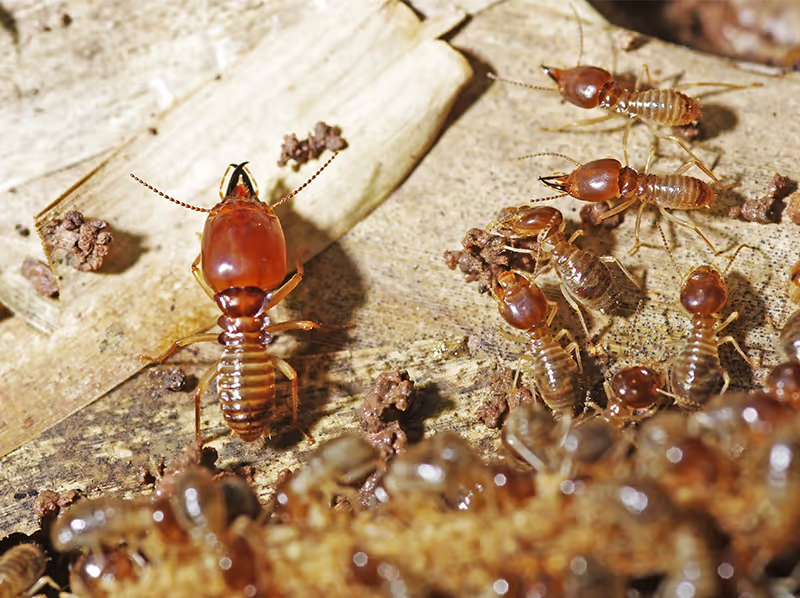
No. Termites almost never go away without treatment. If they have access to wood and moisture, they will keep feeding, and the colony will continue to grow.
Best next step: Schedule a termite inspection to confirm what’s happening and get the right treatment plan.
Why Termite Type Matters (It Affects the Fix, Not Whether They “Go Away”)
Whether they are drywood or subterranean termites, the answer is the same: they do not go away on their own.
Where the type matters is what it takes to stop them—because these two behave differently.
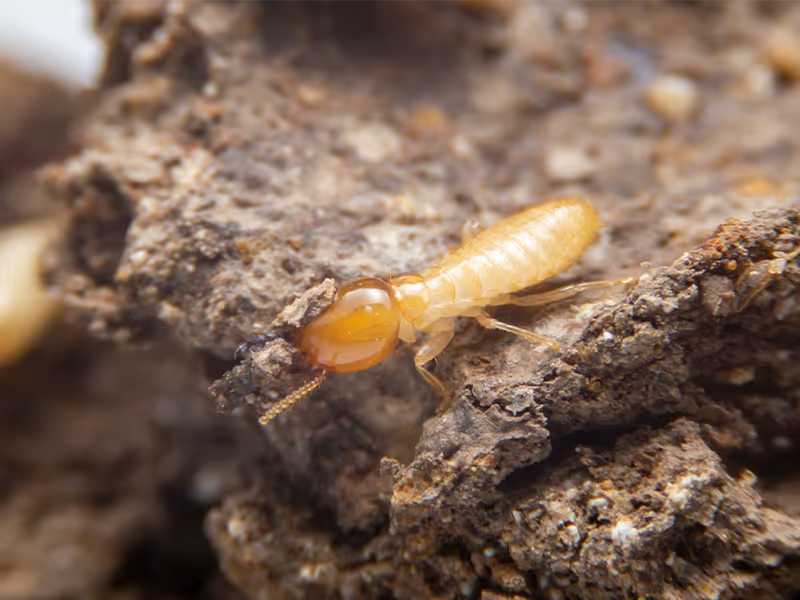
Drywood termites live in the wood they damage (homeowners often notice frass/pellets), while subterranean termites usually come from the soil (homeowners may see mud tubes along foundations or garage walls).
For a clearer explanation, see our guide: The Difference Between Drywood and Subterranean Termites.
The practical takeaway: don’t guess. A termite inspection confirms the termite type and how far the activity has spread. This helps determine the right treatment.
What Happens If Termites Go Untreated?
When termites go untreated, the typical pattern is simple:
- They keep feeding in the same general areas and can expand into new areas.
- Damage spreads over time, often behind walls or in attic wood where homeowners rarely see it.
- Repair risk increases. The longer activity continues, the more likely you’re looking at wood repair in addition to termite treatment.
Homeowners sometimes wait because they hope it is “just one spot” or only a few termites. The problem is that termites usually don’t show themselves until there’s enough activity to notice.
If you suspect termites, don’t guess—request help through our termite control services.
Is It Okay to Live with Termites?
No. Living with termites is not recommended because they will continue damaging the wood structure of your home over time. While they don’t usually pose a direct health risk, untreated termite activity can lead to costly repairs if the infestation continues.
Are Termites Hard to Get Rid Of?
Yes—termites are hard to get rid of without professional help. The main reason is that termites are excellent at staying hidden, so DIY methods often miss the source of the problem.
Getting rid of termites is not just about killing the insects you see. It’s about identifying:
- Where activity is happening
- How widespread it is
- What termite type you’re dealing with
- Which treatment approach matches the situation
That’s why a professional inspection is so valuable: it prevents wasted time and money on the wrong approach.
How Long Does It Take to Get Rid of Termites?
The timeline depends on the termite type, how widespread the activity is, and the type of treatment needed.
Some situations can be addressed quickly, while others require a more involved plan. The most important point is this: the sooner you confirm the issue, the more options you typically have—and the easier it is to prevent damage from expanding.
What Makes Termites Go Away?
Termites only “go away” when the colony is eliminated or cut off from the home through proper treatment.
A simple way to think about it is:
- Inspection first: confirm the termite type and the location of activity.
- Match the treatment to the situation: the right solution depends on what the inspection shows.
- Reduce conditions that attract termites: moisture and wood-to-soil contact can increase risk.
If you’re unsure what you’re dealing with, start by requesting a professional evaluation.
How Fast Do Termites Spread in the House?
Fast enough that you shouldn’t wait for obvious damage—but the timeline varies. The most important thing to understand is that termite activity is often hidden, so damage can build up for a long time before a homeowner sees clear evidence.
Drywood termites: According to UC IPM, drywood termite colonies develop slowly and can take years to mature. In many homes, noticeable damage may take several years to appear.
Subterranean termites: These colonies can grow very large, but damage often develops slowly and can remain hidden for years. According to Rutgers NJAES, termite activity may continue for a long time before homeowners notice clear signs of damage.
There isn’t a simple timeline for termite damage. Because activity is often hidden, the best way to protect your home is to prevent a termite problem before it starts.
What to Do if You Think You Have Termites
If you’ve seen signs of termites, noticed a swarm on your property, or discovered termite damage in your home, it’s time to take action.
Admiral Pest Control offers comprehensive termite control, starting with a free termite inspection to identify the termite species and assess the extent and location of the infestation.
Based on our assessment, we’ll recommend the best termite treatment for your situation.
Termites never stop working, so schedule your free termite inspection today!
Termite FAQs
Is It Bad to Sleep in a House with Termites?
Sleeping in a house with termites is not immediately dangerous, but it is not ideal. The ongoing damage to your home’s structure can eventually affect your safety. In the long run, it is better to address a termite problem as soon as possible to avoid any potential risks.
Can Termites Come Back After Treatment?
They certainly can if not properly treated. In this article, Can Termites Come Back After Treatment?, we discuss this topic in more depth.
Do Termites Make Noise?
Sometimes, but it’s not a reliable way to confirm activity. Learn more here: Do termites make noise?
Termites Don’t Go Away on Their Own—But Admiral Can Stop Them!
If you’re wondering whether termites will go away on their own, the answer is no. Once they’ve found a reliable food source, they keep working out of sight.
The good news is that termites can be handled with the right plan. The best first step is an inspection, so you know what you’re dealing with and what solution fits your home.
If you’re in Rancho Palos Verde, Bellflower, Irvine, or elsewhere in Orange or Los Angeles counties and want a local team to help you protect your home from these wood-destroying insects, Admiral Pest Control is the smart choice. Request a free estimate now!
Originally published February 10, 2025. Last updated March 11, 2026.