
The Most Common Rodent Noises and What They Mean
Scratching Sounds: The First Warning Sign
Scratching noises rank among the most frequent early indicators of rodent activity. These sounds occur when mice and rats navigate through wall voids, insulation, and tight spaces as they establish travel routes and nesting areas.
Light, rapid scratching typically signals mice moving through fiberglass insulation or paper materials. You’ll hear quick, delicate scraping sounds that may seem almost rhythmic as mice scurry along their established pathways.
Deeper, slower scratching usually indicates rats working their way through thicker materials. Rats produce more pronounced scraping sounds as they push through dense insulation or navigate around obstacles in wall cavities.
Intermittent thumping combined with scratching suggests rodents are actively moving nesting materials or dropping debris within confined spaces. This combination of sounds often points to established colonies rather than just passing traffic.
Gnawing and Chewing: The Sound of Destruction
The repetitive grinding and clacking of rodent teeth creates unmistakable gnawing sounds. These noises occur when rodents enlarge entry points, access food sources, or gather nesting materials.
High-frequency clacking emerges when mice gnaw through cardboard boxes, plastic containers, or thin wooden materials. This rapid, almost chattering sound can persist for several minutes as mice work to create or expand openings.
Slow, grinding chews typically indicate rats tackling denser materials like hardwood beams, thick plastic, or even electrical wire insulation. The grinding quality comes from their larger, stronger teeth working methodically through tough substances.
Crackling or snapping sounds may occur when rodents pierce thin metal, PVC pipes, or similar materials in their search for water sources or new pathways.
Squeaking, Chirping, and Vocal Communications
Rodents use various vocalizations to communicate with their colony members, express distress, or issue warnings. Understanding these sounds helps identify both the species and the activity level of your infestation.
High-pitched squeaks from mice often indicate social communication between family members or distress calls when they encounter threats or become trapped.
Soft chirping represents more casual communication, usually heard when mice are comfortable and engaging in routine activities near their nests.
Low hisses and teeth chattering are characteristic rat behaviors, typically occurring when they feel threatened or are defending territory. These aggressive sounds often accompany larger infestations where competition for resources increases.
Scurrying and Running: Tracking Movement Patterns
The pitter-patter of tiny feet reveals important information about rodent behavior and infestation scope. These movement sounds are most common during dawn and dusk hours when rodents are most active.
Rapid, light scuttling indicates mice moving along baseboards, inside wall voids, or across ceiling spaces. The quick, almost rustling quality of their movement helps distinguish mice from other pests.
Heavier, more deliberate thumping suggests rat activity. Rats produce more audible footsteps due to their larger size, and their movement often sounds more purposeful than the erratic scurrying of mice.
Repeated sounds at consistent times point to established travel routes between nesting areas and food sources. This pattern suggests a well-established infestation that requires immediate attention.
Where Rodents Make These Telltale Noises
Walls, Attics, and Ceilings: Prime Real Estate
These areas offer everything rodents need: darkness, warmth, insulation for nesting, and protection from predators. Wall voids provide hidden highways throughout your structure, while attic spaces offer abundant nesting materials and minimal human disturbance.
Scratching and scurrying in these locations often indicates rodents are establishing permanent residence rather than just exploring. The sounds may intensify during extreme weather when rodents seek additional shelter.
Crawl Spaces and Basements: Hidden Danger Zones
Lower areas of buildings often provide moisture, storage clutter, and direct access to foundation entry points. Rodents in these spaces can access plumbing, electrical systems, and support structures, making early detection crucial.
Sounds from crawl spaces and basements often go unnoticed longer than those from living areas, allowing infestations to establish and grow before discovery.
Commercial Properties: Unique Challenges
Restaurants, warehouses, and office buildings present specific rodent attraction factors. Food service areas provide abundant resources, while commercial storage and equipment create numerous hiding spots.
In commercial settings, listen for sounds near:
- Kitchen equipment and refrigeration units
- Storage areas and inventory spaces
- Ceiling tiles and drop ceilings
- Loading dock areas
- Utility and mechanical rooms
Identifying Rodent Species by Sound
Mice vs. Rats: Key Differences
Pitch and frequency: Mouse vocalizations typically exceed 20 kHz (often beyond human hearing), while rat sounds fall below 10 kHz and include audible hisses and chattering.
Movement patterns: Mice create quick, light rustling sounds with frequent direction changes. Rats produce steadier, heavier movement sounds that may continue for longer periods.
Activity timing: While both species are nocturnal, mice often have shorter, more sporadic activity bursts. Rats may maintain consistent activity levels throughout nighttime hours.
Distinguishing Wildlife from Rodents
Squirrels create much louder, more pronounced scratching and often chase each other with heavy thumping during daylight hours. Their activity rarely occurs at night.
Bats produce fluttering or rapid scratching sounds, typically heard at dawn and dusk as they enter and exit roosting sites.
Raccoons create heavy pounding and obvious footstep sounds due to their size, along with more varied vocalizations including chittering and growling.
Additional Warning Signs That Accompany Sounds
Physical Evidence
When sounds alert you to potential rodent activity, look for these confirming signs:
- Droppings: Mouse droppings resemble small rice grains (1/4 inch), while rat pellets are larger and more capsule-shaped (3/4 inch or more).
- Gnaw marks: Fresh chewing appears as clean, light-colored marks on wood, plastic, or cardboard. Older marks darken over time.
- Grease marks: Rats leave dark, oily smears along walls and baseboards from their fur as they travel established routes.
- Footprints: Look for tiny paw prints in dusty areas, especially near suspected entry points.
Odor Indicators
- Musky ammonia smell: Concentrated urine odors often develop near nesting sites or heavily traveled areas. Musty, stale odors: Long-established colonies may produce persistent stale smells from accumulated waste and nesting materials.
Health and Property Risks You Can't Ignore
Disease Transmission Dangers
Rodents carry numerous pathogens that pose serious health risks to humans:
- Hantavirus can cause severe respiratory illness and is transmitted through airborne particles from disturbed droppings or nesting materials.
- Salmonella spreads through contaminated surfaces and food sources, causing severe gastrointestinal illness.
- Leptospirosis transmits through contact with rodent urine and can cause kidney damage, liver failure, and other serious complications.
Property Damage Consequences
- Electrical hazards: Gnawed wiring creates fire risks and can cause expensive electrical system failures.
- Structural damage: Rodents can chew through support materials, insulation, and even soft metals, compromising building integrity.
- HVAC system damage: Nesting materials and debris can block vents, reduce efficiency, and damage heating and cooling equipment.
- Contamination costs: Professional cleaning and sanitization of affected areas can run thousands of dollars, especially in commercial settings.
Admiral Pest Control's Expert Solution Approach
With over 75 years of local expertise serving Orange County and southern Los Angeles County, Admiral Pest Control understands that effective rodent control starts with accurate identification of the problem. Our family-owned business treats every client like family, providing personalized service that larger corporations can’t match.
Comprehensive Inspection Process
Our trained technicians use advanced acoustic detection tools alongside visual inspections to:
- Map rodent travel routes and nesting sites
- Identify all entry points and potential access areas
- Assess infestation scope and species identification
- Evaluate property damage and contamination risks
Customized Treatment Plans
Based on inspection findings and the specific sounds you’re hearing, we develop targeted treatment strategies that may include:
- Strategic trap placement along identified travel routes
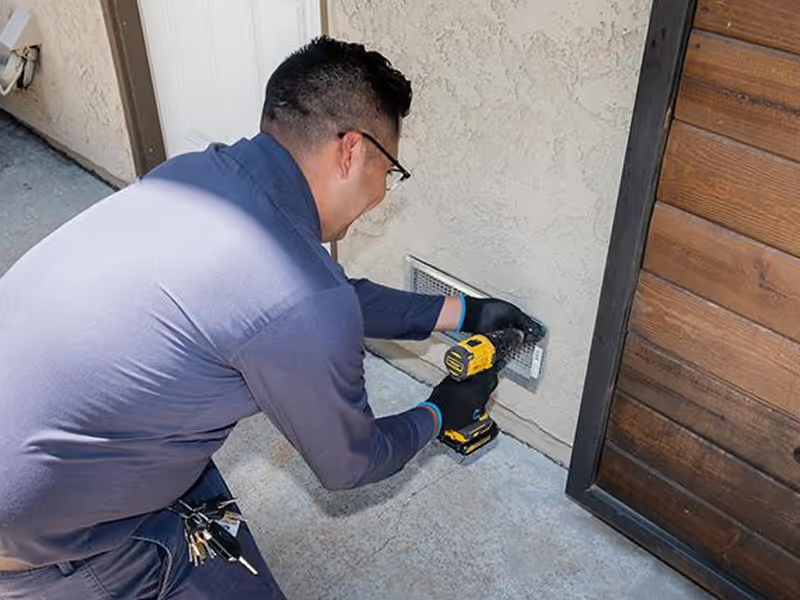
- Exclusion sealing of entry points and potential access areas
- Eco-friendly bait stations designed for specific species
- Sanitation and decontamination of affected areas
Ongoing Monitoring and Prevention
Our service doesn’t end with initial treatment. We provide:
- Follow-up inspections to ensure complete elimination
- Recommendations for long-term prevention strategies
- Eco-friendly maintenance plans that protect children and pets
- 24/7 support for any recurring concerns
Immediate Steps When You Hear Rodent Noises
Before Professional Inspection
- Document the sounds: Note the time, location, and type of noises you hear. This information helps technicians focus their inspection efforts.
- Secure food sources: Store all food items in sealed containers and eliminate crumbs and spills that attract rodents.
- Clear access areas: Remove clutter from walls, attics, and storage areas to allow thorough inspection.
- Avoid DIY disturbance: Don’t attempt to clean up droppings or nesting materials without proper protective equipment, as this can spread disease-causing particles.
When to Call Professionals Immediately
Contact Admiral Pest Control if you experience:
- Consistent scratching, gnawing, or scurrying sounds after sunset
- Fresh droppings or gnaw marks appearing regularly
- Musky or ammonia-like odors in specific areas
- Any combination of sounds with visual evidence
- Sounds that intensify or spread to new areas over time