
Why Southern California Is Prone to Rodent Problems
Unlike colder climates, Southern California doesn’t have harsh winters to slow rodent breeding. Mice and rats remain active all year, taking advantage of abundant food and shelter sources.
Several factors make LA & OC uniquely vulnerable:
- Urban Density: Apartment complexes, restaurants, and alleys provide easy food sources and hiding spots.
- Suburban Landscaping: Fruit trees, ivy, palm trees, and ornamental vegetation attract roof rats and mice.
- Construction & Growth: New developments often displace rodent populations, pushing them into nearby homes and businesses.
- Climate: Mild nights and limited rainfall let rodent populations expand unchecked.
Together, these conditions make it essential for residents to be vigilant and proactive about rodent signs.
Key Visual Signs of a Rodent Infestation
Here’s what every LA and Orange County property owner should watch for:
1. Rodent Droppings
What to Look For:
- Norway rats (common in basements and lower levels) leave large, capsule-shaped droppings (½–¾ inch).
- Roof rats (prevalent in attics and trees) leave smaller, spindle-shaped droppings with pointed ends.
- Mice leave tiny, rice-sized pellets (⅛–¼ inch).
Where to Check:
- Kitchens
- Pantries
- Under sinks
- Behind appliances
- Attics
- Garages
- Sheds
- Laundry rooms
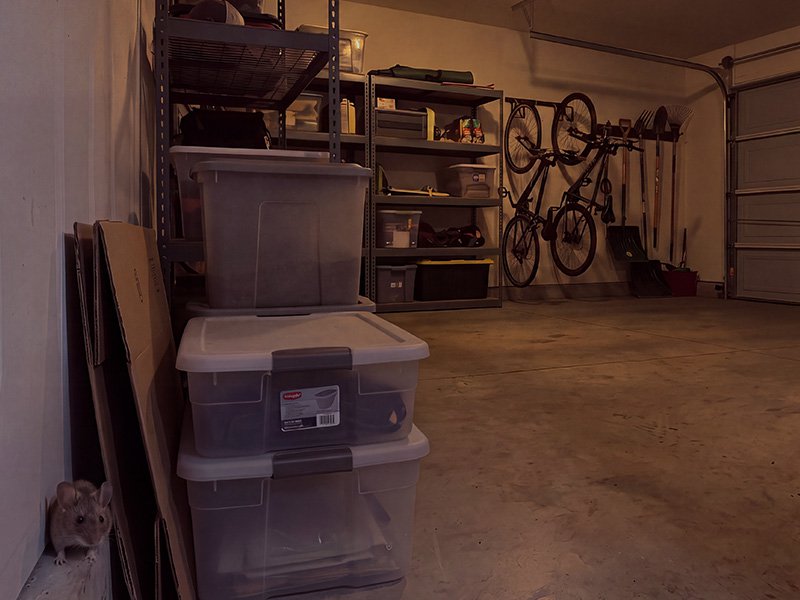
In urban LA, droppings often appear in hallways and shared spaces. In suburban OC, you’ll often find them in garages and outdoor storage areas.
Why It Matters:
Droppings indicate recent and active infestation. The more you see, the larger the colony. Fresh droppings are dark and moist, while older ones are dull and crumbly.
2. Gnaw Marks
What to Look For:
Rodents must constantly chew to wear down their teeth. Look for chew marks on wood, cardboard, pet food bags, plastic containers, insulation, and even electrical wiring.
Where to Check:
- Indoors: Food pantries, pet food storage, baseboards, and utility rooms.
- Outdoors: Plastic trash bins, garage doors, stucco walls, or roof eaves.
Why It Matters:
Chewed wires pose a serious fire hazard, while gnawed pipes can cause leaks. New gnaw marks appear lighter in color, while older marks darken over time.
3. Nests and Nesting Materials
What to Look For:
Nests made of shredded paper, insulation, fabric fibers, grass, or leaves.
Where to Check:
- Wall voids
- Attics
- Garages
- Behind appliances
- Crawl spaces
- Sheds
- Storage boxes
In LA apartments, rodents may nest in unused storage closets or laundry areas. In OC, attics and garages are frequent nesting spots.
Why It Matters:
A nest signals active breeding. Even a small nest can quickly lead to a larger infestation if left unchecked.
4. Tracks, Grease Smears, and Rub Marks
What to Look For:
- Dusty areas may reveal tiny footprints and tail marks.
- Dark, greasy smudges along walls and baseboards are caused by rodents rubbing their fur against surfaces as they follow the same paths nightly.
Where to Check:
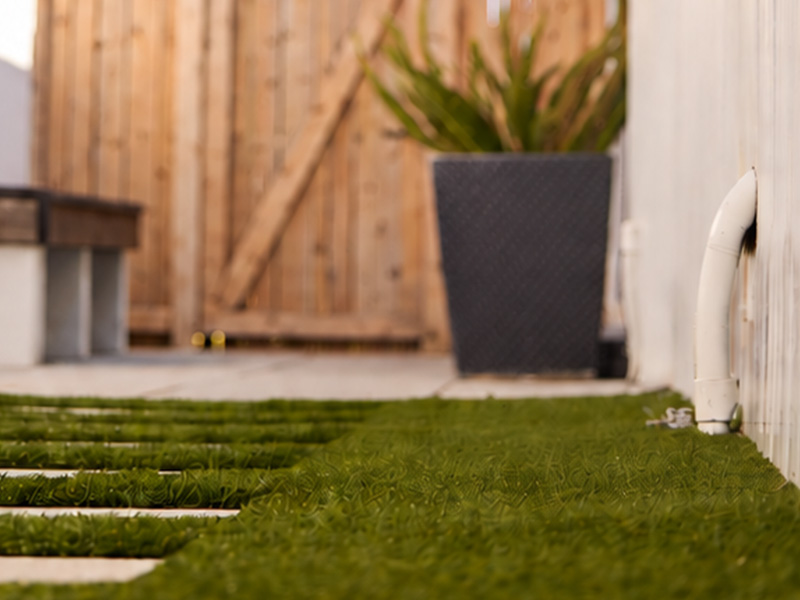
Along foundations, fence lines, near baseboards, and at entry points like utility pipes and vents. Roof rats often leave trails along fence tops, palm fronds, and utility lines.
Why It Matters:
Regular, visible tracks or smears indicate established travel routes and high rodent activity.
5. Strange Sounds and Odors
What to Listen For:
Scratching, gnawing, or scurrying sounds in walls, ceilings, or attics — especially at night.
What to Smell For:
- Ammonia-like odors from rodent urine.
- A stale, musty smell in enclosed spaces like pantries, cabinets, or storage rooms.
Where to Notice It:
- Kitchens
- Attics
- Garages
- Basements
- Anywhere with food storage and water access.
Why It Matters:
Strong odors often indicate a long-standing infestation or a large rodent population nearby.
Why Rodent Activity Is a Serious Issue in LA & OC
Rodents are more than just a nuisance:
- Property Damage: Chewing wires, insulation, pipes, and even stucco.
- Food Contamination: Spreading pathogens like salmonella and E. coli.
- Health Risks: Rodents can carry hantavirus, leptospirosis, and fleas that transmit secondary diseases.
- Rapid Reproduction: A single pair of mice can produce dozens of offspring in just a few months.
In tightly packed neighborhoods of LA and suburban OC communities with fruit trees and gardens, infestations spread quickly from property to property if left unaddressed.
The Admiral Pest Control Advantage
DIY traps may catch a single mouse, but they rarely address the full extent of an infestation. Admiral Pest Control provides complete rodent solutions tailored to Southern California homes and businesses:
- Thorough Inspections: We know the entry points common to LA apartments, OC attics, Spanish-tile roofs, and suburban crawlspaces.
- Targeted Treatments: From traps to bait stations, our methods are family- and pet-safe, EPA-approved, and effective.
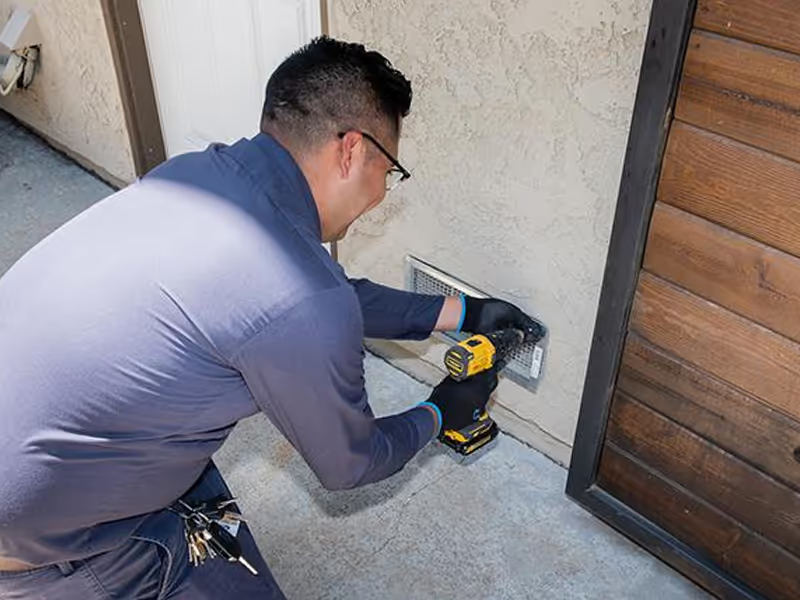
- Exclusion Work: We seal cracks, vents, and utility lines to block rodents from re-entering.
- Follow-Up Service: With our quarterly pest control plans, customers receive free service calls between scheduled visits.
- Fast Response: As a local company, we respond quickly to urgent rodent calls across LA and OC.
Take Action Before the Problem Grows
The sooner rodent activity is addressed, the easier it is to eliminate. If you’ve noticed droppings, gnaw marks, nests, or strange sounds in your property, don’t wait for the problem to spread.
Call Admiral Pest Control today at (800) 801-7378 or visitwww.admiralpest.com to schedule a rodent inspection. With over 75 years of local expertise, Admiral is Southern California’s trusted solution for keeping homes and businesses rodent-free.