
What Orange County Vector Control Found
West Nile-positive mosquitoes were first confirmed in Orange County in June. By July 1, infected samples had been found in Buena Park, Costa Mesa, Fullerton, Garden Grove, Huntington Beach, Santa Ana, Seal Beach, and Westminster. Later testing found positive pools in additional communities, including Anaheim, Cypress, Irvine, Los Alamitos, and Orange.
The district recorded 186 positive mosquito pools during all of 2025. By late July 2026, the year-to-date total had already surpassed that figure, and officials told Voice of OC that Orange County could approach 500 positive pools by the end of the year if the current pace continues.
Positive pools help public health officials identify where infected mosquitoes are being collected and where additional surveillance or mosquito control may be needed. They do not indicate how many people have been infected or whether every mosquito within a tested pool carried the virus.
Which Mosquitoes Spread West Nile Virus?
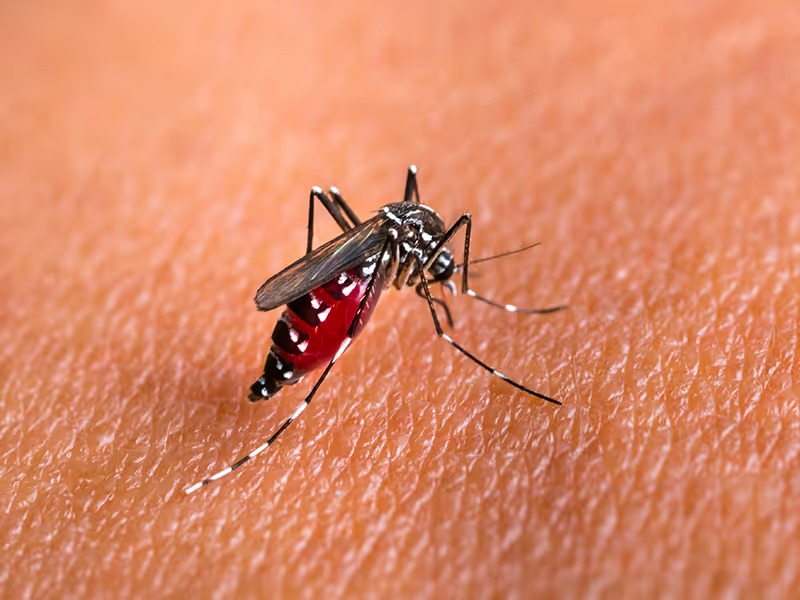
West Nile virus is primarily spread by Culex mosquitoes.
Mosquitoes become infected when they feed on birds carrying the virus. An infected mosquito can then transmit it to a person or another animal through a later bite. Humans generally do not develop enough virus in their blood to infect additional mosquitoes, which is why people are considered dead-end hosts.
Culex mosquitoes are most active from dusk through dawn. During the day, adults commonly rest in shaded, protected areas such as dense shrubs, ivy, tall grass, and low tree canopies.
They lay eggs in standing water found around homes, businesses, storm drains, neglected pools, water features, containers, and other locations. Warm weather can allow a new generation to develop quickly, which is why dumping standing water once is not enough for season-long mosquito prevention.
Mosquitoes can also move between properties. Removing water from your own yard is important, but nearby breeding areas can continue contributing to activity around your home.
How West Nile Virus Affects People
Most people infected with the West Nile virus never develop symptoms. The CDC estimates that approximately 80% of infections are asymptomatic.
About 1 in 5 infected people develop symptoms such as:
- Fever
- Headache
- Body or joint aches
- Vomiting or diarrhea
- Rash
Symptoms usually begin between two and 14 days after an infected mosquito bite, although they can take longer to appear in people with weakened immune systems.
Fewer than 1% of infected people develop serious neurologic illness. Severe cases can include encephalitis, meningitis, or acute flaccid myelitis and may cause confusion, neck stiffness, tremors, muscle weakness, paralysis, hospitalization, or death.
Anyone can become seriously ill, but the risk increases with age. People with certain chronic health conditions or weakened immune systems also face a greater risk of severe illness.
There is no human vaccine and no medication that specifically treats West Nile virus. People with severe illness may need supportive care in a hospital.
West Nile virus does not spread through everyday contact such as touching, coughing, or sharing food. Rare transmission has occurred through blood transfusions, organ transplants, pregnancy, delivery, and breastfeeding.
Why West Nile Activity Can Continue Into Fall
Mosquito season does not end when summer does.
West Nile illnesses are often diagnosed most frequently in late August and early September, and Orange County’s warm weather can support mosquito activity well into the fall.
This timing matters because West Nile virus activity can remain elevated even as summer winds down. Homeowners may continue encountering mosquitoes around patios, gardens, entryways, and other outdoor spaces throughout September and October.
That makes late summer and early fall an important time to continue checking for standing water, using repellent, and taking steps to reduce mosquitoes around the yard.
How to Reduce Your Risk Around the Yard
No residential treatment can eliminate the regional risk of West Nile virus, but homeowners can reduce mosquito activity and make bites less likely.
Orange County Vector Control recommends:
- Dumping and draining standing water at least once a week
- Scrubbing birdbaths, pet bowls, and other water-holding containers
- Using an approved mosquito repellent whenever you spend time outdoors, including away from home
- Repairing damaged window and door screens
Visit Orange County Vector Control’s Mosquitoes Suck! Together We Fight! page for more tips on eliminating breeding sites and preventing mosquito bites.
Why Yard Mosquitoes Can Be Difficult to Control
Citronella candles, bug zappers, and occasional store-bought sprays may affect a few mosquitoes nearby, but they do not address all the factors contributing to activity around a property.
Adult mosquitoes can rest in dense landscaping that is difficult to reach with a handheld product. Larvae may be developing in small or hidden water sources. New mosquitoes can also move in from neighboring properties, stormwater systems, neglected pools, or other areas outside the homeowner’s control.
Effective mosquito reduction usually requires several steps working together:
- Identifying and removing standing water
- Targeting places where adult mosquitoes rest
- Addressing developing larvae
- Maintaining treatment throughout the active mosquito season
Professional mosquito control should supplement—not replace—the personal protection and water-removal steps recommended by public health officials.
Ongoing Protection for Your Yard and Home
Admiral’s Ultimate Pest & Mosquito Service gives Orange County homeowners seasonal mosquito treatments without leaving the rest of the property unprotected.
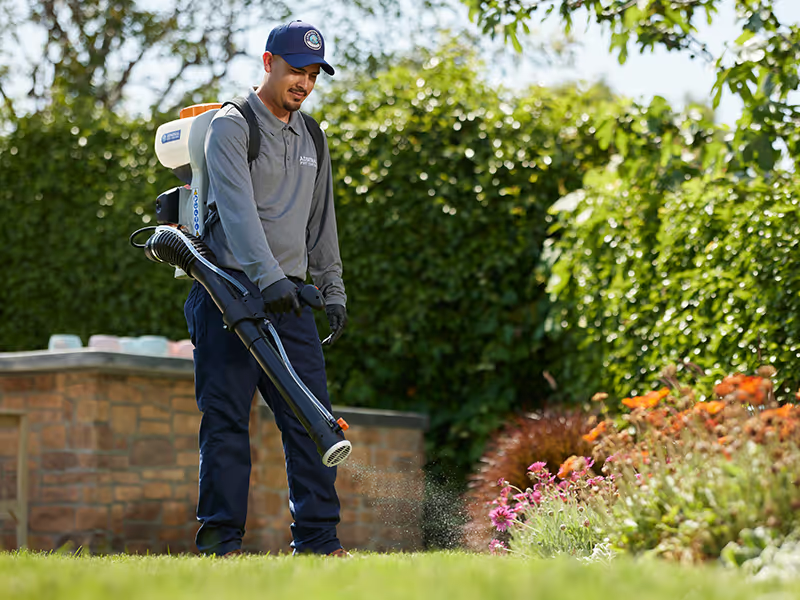
During mosquito season, our technicians look for standing water and shaded resting areas, use a mist blower to treat shrubs, bushes, tall grass, and other vegetation where adult mosquitoes spend the day, and place In2Care Mosquito Stations to help address developing mosquitoes.
Year-round home pest control continues alongside that service and covers more than 21 common pests, including ants, cockroaches, spiders, fleas, ticks, and wasps.
Our plan also includes interior treatments when needed and additional service at no extra charge if covered pest activity returns between scheduled visits.
Homeowners get help with mosquitoes during the active season and dependable pest protection throughout the year—all under one plan.
Admiral Pest Control has served Orange and Los Angeles Counties for more than 75 years and provides service in Fullerton, Anaheim, Irvine, Huntington Beach, Long Beach, Bellflower, Rancho Palos Verdes, and surrounding communities.
Frequently Asked Questions
Can mosquito service help if the breeding site is not on my property?
Yes. Mosquitoes can move in from nearby yards, drains, neglected pools, and other areas outside your control. Treatment cannot remove those outside sources, but it can reduce the mosquitoes resting and breeding around your own property.
Will rain wash away mosquito treatment?
Once the mosquito treatment has had time to dry, normal rain should not remove it. Heavy rain during application or before the product dries may reduce its effectiveness, so our technician will assess the weather and reschedule as needed.
Can Admiral treat mosquitoes around pools?
Absolutely. We can treat the landscaping and shaded areas around the pool where mosquitoes tend to rest, along with nearby areas where standing water may allow mosquitoes to breed. We do not treat the pool water itself.
Ready to Take Back Your Yard?
With West Nile virus activity elevated across Orange County, now is a good time to put stronger mosquito protection in place.
Admiral Pest Control can help make your outdoor spaces more comfortable while keeping your home protected year-round.
Request a free estimate online or call (866) 400-1915.