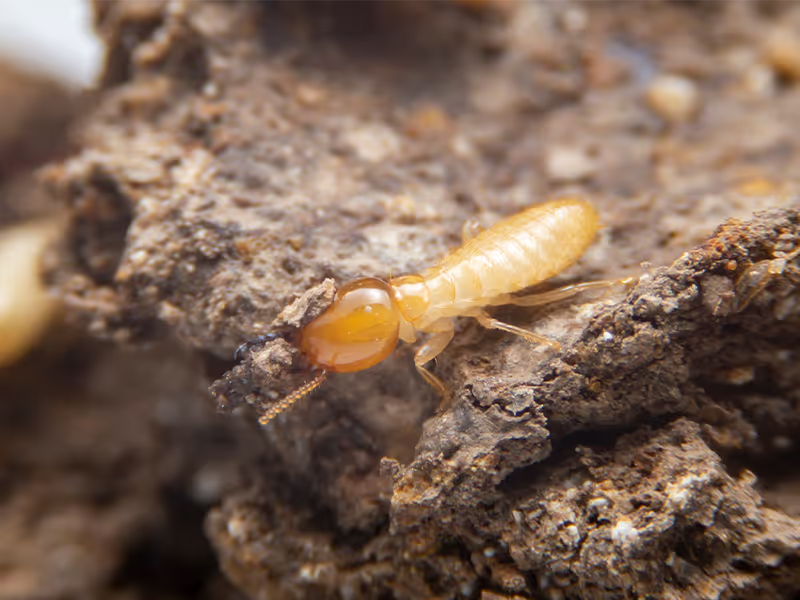
Drywood termites are wood-destroying insects that establish colonies inside the wood they infest. Unlike subterranean termites, they do not need contact with soil and can infest structural lumber, eaves, trim, doors, window frames, furniture, and other dry wood above ground.
The western drywood termite (Incisitermes minor) is the most common drywood termite species in California and the state's second most important termite pest after subterranean termites. It is widespread throughout Southern California, including Orange County and Los Angeles County.
Because colonies remain concealed inside wood, infestations can go unnoticed for years. During that time, continued feeding can cause significant damage to the wood they infest.
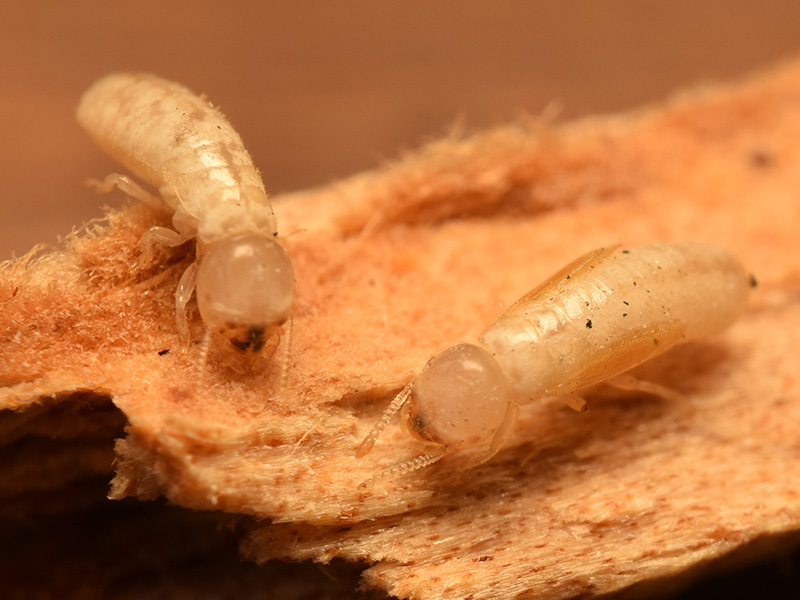
Drywood termites remain active inside infested wood throughout the year. During summer and fall, mature colonies may also produce winged reproductive termites, or swarmers, adding seasonal reproductive activity to the ongoing feeding and development inside the wood. Exact swarm timing can vary with local conditions.
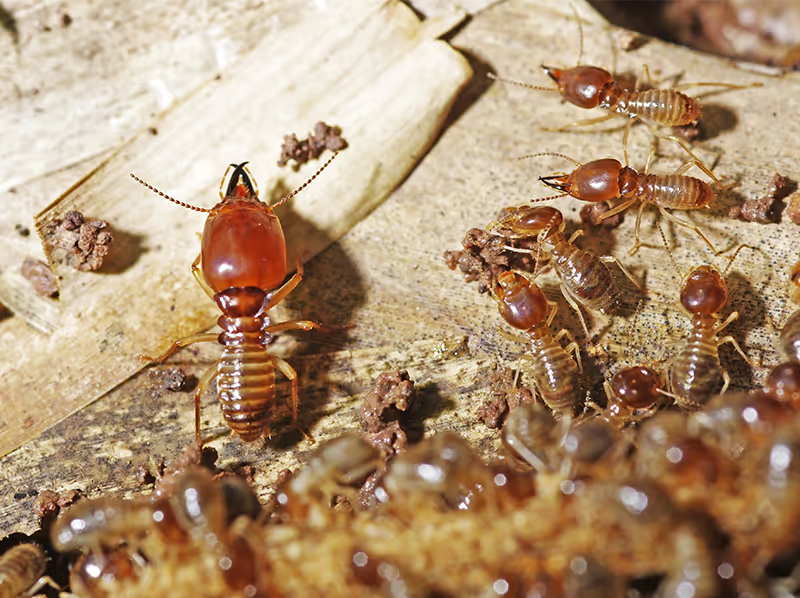
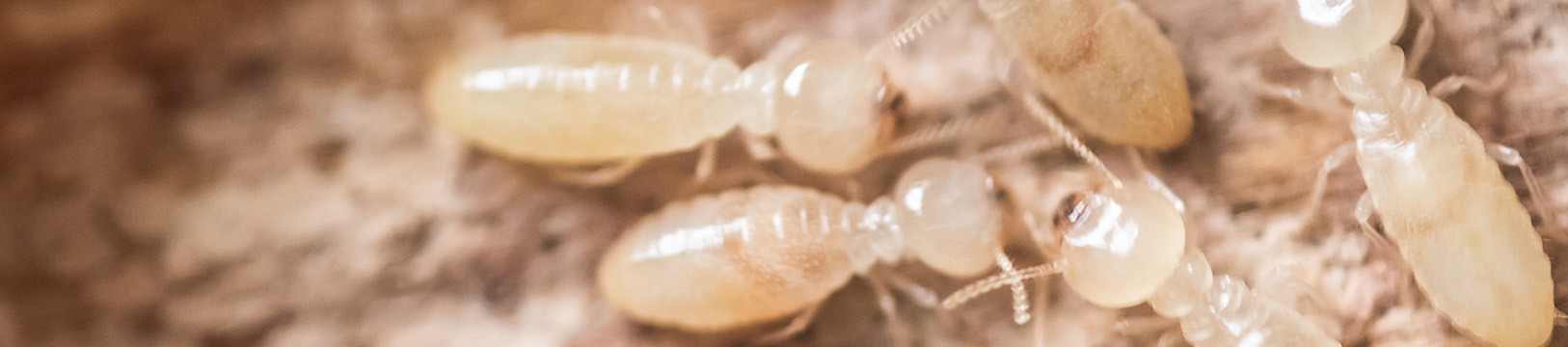
Most members of a drywood termite colony remain hidden inside wood, but their appearance varies depending on their role in the colony.
Workers are pale, soft-bodied, and wingless. They remain concealed inside infested wood, where they feed and perform much of the work within the colony.
Soldiers have enlarged, darker heads and strong mandibles used to defend the colony.
Swarmers, or alates, are winged reproductive termites. They have two pairs of wings that are similar in size and extend beyond the body.
After swarmers land, they shed their wings. Small piles of similarly sized wings around windows, doors, or other openings can indicate that termite swarmers were recently present.
Drywood termites can be confused with flying ants. Termite swarmers have relatively straight antennae, a broad waist, and wings of approximately equal length. Flying ants have elbowed antennae, a narrower waist, and front wings that are noticeably longer than their rear wings.
Because drywood termites do not require soil contact, they can establish colonies in wood throughout a structure.
Around homes in Orange County and Los Angeles County, drywood termites can infest:
Older homes may have had more years of exposure to swarming termites, but drywood termites are not limited to older construction. Any structure containing suitable wood can potentially be infested.
Drywood termites can also be transported in infested furniture, reclaimed lumber, picture frames, or other wood products.
Since drywood termites remain concealed inside wood, evidence around an infested area is often what first gets a homeowner's attention.
Frass: Drywood termite fecal pellets are small, hard pellets with six flattened sides. They are pushed from termite galleries through small openings in the wood and may collect beneath an infested area.
Kick-out holes: These tiny openings are used by termites to dispose of pellets from inside their galleries.
Shed wings: Wings near windows, doors, or other areas can indicate that termite swarmers were recently present.
Damaged wood: Drywood termites feed within wood, creating internal galleries that can extend along and across the grain. Because much of the activity remains concealed, the exterior surface can sometimes appear intact even when damage is present inside. Over time, continued feeding can weaken infested wood, particularly when activity goes undetected for years.
Finding pellets, wings, or damaged wood can point toward drywood termites, but these signs alone do not always show whether termites are currently active or how extensive an infestation may be.
For a closer look at these clues, see Admiral's guide to drywood termite signs.
Drywood termites spend most of their lives concealed inside the wood they infest. They live and feed within galleries in dry, sound wood and do not need a connection to soil.
As colonies mature, they can produce winged reproductive termites that leave the wood during swarming periods to mate and establish new colonies in other suitable wood.
This behavior differs from that of subterranean termites, which live and breed in soil and travel between the soil and the wood they infest. For a closer comparison, see Drywood vs. Subterranean Termites in California.
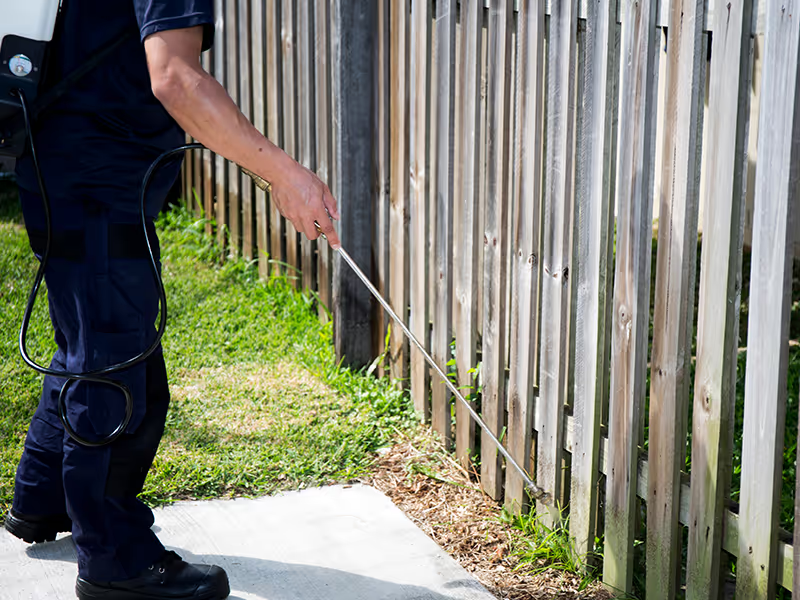
Treatment depends on where the termites are located and how widespread the infestation is. Smaller, accessible infestations may be treated locally, while more extensive drywood termite activity can require whole-structure treatment.
Because drywood termite colonies are hidden inside wood, an inspection is needed to determine the extent of the infestation and which treatment approach is appropriate.
Admiral Pest Control provides professional drywood termite control throughout Orange County and Los Angeles County, with treatment recommendations based on the location and extent of the infestation.
Contact Admiral Pest Control to schedule a termite inspection if you suspect drywood termite activity.
No. Drywood termites establish colonies inside wood and do not require ongoing contact with soil.
Drywood termite droppings, called frass, are very small, hard pellets with six flattened sides. Their color can vary depending on the wood being consumed.
Drywood termite swarmers are most often seen in California during summer and fall. Exact timing can vary with local conditions.
Yes. Drywood termites can infest suitable wooden furniture and other wood products. Infested items can also transport termites from one location to another.

I am completely satisfied with the services performed by Admiral Pest Control at my home for over 15 years. The inspection today was completed by Jeffrey; he completed a very thorough job of inspection and was super professional, very friendly and courteous. Highly recommended to anyone that wants termite and pest control services.
Donald T.
Irvine, CA

Aldo came by to service my property. He was polite, professional, and answered my questions regarding getting our property serviced. He was able to sweep potential areas that might have critters and the sprayed repellent for our quarterly treatment. Appreciate his professionalism and representation of this company.
Christian M.
Bellflower, CA

Jeffrey has been amazing!!! Very thorough and kind. We also caught a rat in less than 24 hours, which is a relief! Very grateful!
Hailey S.
Irvine, CA






Helpful Tips & Info